Blog

  • The Best Teachers: Who Are They?

    The Best Teachers: Who Are They?

    Daily writing prompt
    What makes a teacher great?

    A perfect teacher does not exist. Teachers are people and people aren’t perfect. Children remember moments like the first time they saw their teacher walking into the staff bathroom and they realize that teachers are human, just like them.

    Teachers can be great humans. That one teacher, for example, who made a difference in your life and inspired you to make a life-changing decision. 

    Teachers are role models. Teachers at elementary schools aren’t supposed to swear, for example. I’ve heard them swear in the staff room, where they can be adults like you and me.

    Teachers are adults who have the important role of shaping lives. They teach us facts, like mathematical calculations and important historical dates. But more importantly, they teach us critical thinking so we can question those facts and separate opinions from theories.

    Teachers who inspire us to learn information, then question it, and develop something from it are the true heroes. Scientists start off as students who become inventors who create something to improve people’s lives. Writers start off as students and then write stories that make us laugh or cry. Somewhere in life, physicians, first responders, lawyers, designers, engineers, farmers, etc, all started learning from a teacher.

    Teachers do more than teach. They teach us to teach ourselves and become lifelong learners. Teachers can be parents, siblings, friends, mentors, coworkers, bosses, complete strangers — anyone who provides us with life lessons that can make us better people.

    If you enjoyed this article, subscribe to make sure you don’t miss the next post!

  • The Lesson We Cannot Forget

    The Lesson We Cannot Forget

    Daily writing prompt
    What’s the most delicious thing you’ve ever eaten?

    The most delicious meal I’ve ever eaten is the meal I had after I found out the truth about my sister. 

    My parents adopted her when I was eighteen and she was sixteen. I never asked for a sister. She was terrible. She borrowed my clothes without asking and we fought about almost everything. 

    One day, I asked my pharmacist uncle for some help. I wanted to get rid of my sister, but I wanted to do it slowly so no one would suspect me. He agreed to help and gave me a bottle of poison. He reminded me to administer it in small doses with each meal so no one would notice.

    Of course, I didn’t want my sister to suspect a thing, so I became extra nice over time. If she wanted to borrow a sweater of mine, I let her, and said I didn’t really like it anyway. And when her nasty pen-chewing habit got on my nerves, I asked her to drop the pen and watch a show with me.

    Months later, our parents noticed and complimented us on how well we were getting along. I really did start to like my sister. “Sara,” my parents said to me, we’re happy to see you’re such a good role model for her.” 

    I wanted to cry when I heard those words. I went to see my uncle and begged him to give me an antidote for the poison. “You don’t want her to die now?” he asked.

    I shook my head. “No. Please save her.”

    My uncle simply told me to throw out the rest of the poison and my sister would be fine. I had been serving her small doses of fruit juice. 

    I was so happy to hear the news. I rushed home and found her helping with making dinner. I helped too. It was a simple meal but it was the best meal I’d ever eaten because I was filled with a feeling of peace and contentment at having such a great sister.

    If you enjoyed this article, subscribe to make sure you don’t miss the next post!

  • 5 Soft Skills for Career Success

    5 Soft Skills for Career Success

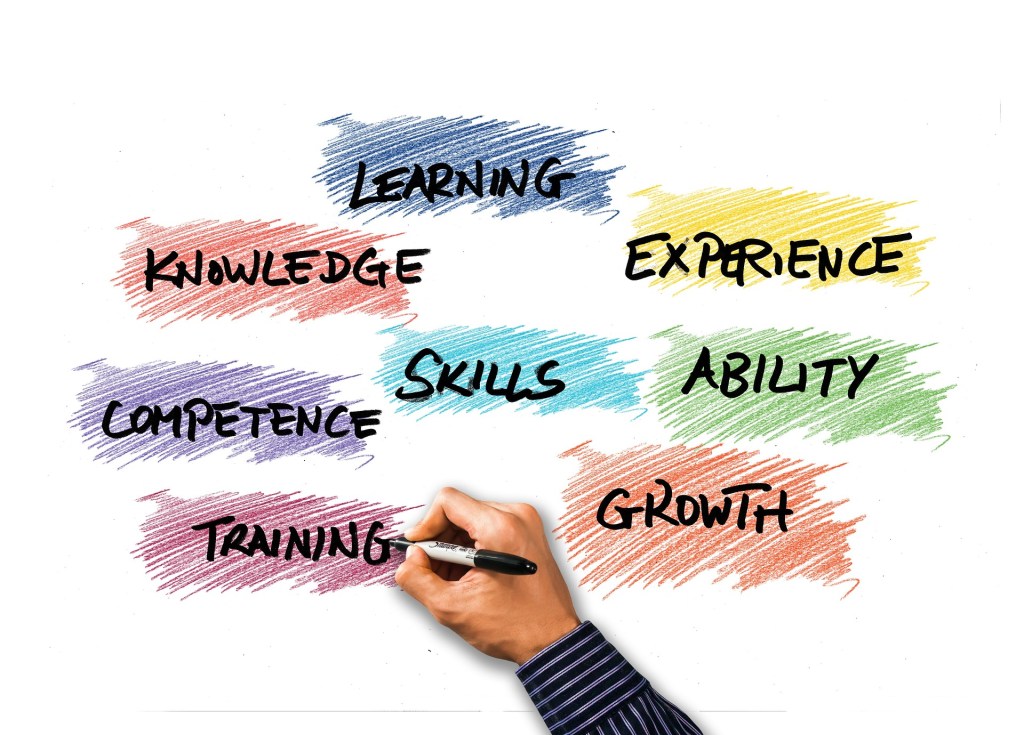
    How important are soft skills when it comes to advancing your career, getting a raise, or showing your employer that you deserve to take on more responsibility?

    Soft skills are just as important as job-specific, hard skills. But before we get into why or how they are vital, let’s look at why now is the right time to hone your soft skills.

    Recent events during the pandemic changed the lives of millions, and many have changed careers, jobs, or where they work. Inflation and AI have brought much uncertainty, with people fearing the stability of their jobs and finances, especially with the escalating prices.

    Forget vacations or even splurging on a new pair of shoes: now some people aren’t even sure if they can afford their groceries. So what can you do to increase your chances that you can keep your job, or get a job when a crisis like this occurs?

    View soft skills to read the original post about the five soft skills that will take your career to the next level.

  • Small Goals Lead to Bigger Achievements

    Small Goals Lead to Bigger Achievements

    “I always try to start out with some type of goal. Then I work backward and think of what I need to do to get there, and give myself smaller goals that are more immediate.”

    — Kristi Yamaguchi

    If life is throwing too much at you right now, I get it. Especially if you have a mountain of tasks on your to-do list and each day is too short to get anything done.

    Just take a deep breath and start with something small and urgent. Don’t look at the overwhelming list ahead of you until you’ve accomplished a lot of smaller goals. Some times from now, you’ll look back and see what you’ve achieved.

  • Dark Words of Wisdom

    Dark Words of Wisdom

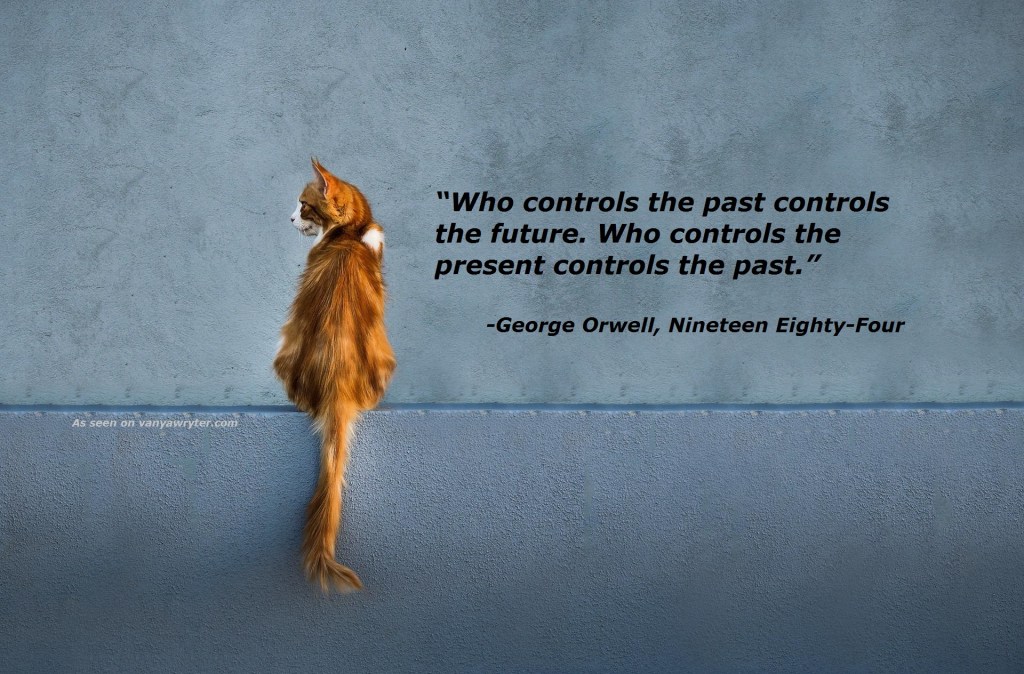
    “Who controls the past controls the future: who controls the present controls the past.” –George Orwell, Nineteen Eighty-Four

    I have been watching a lot of historical movies and documentaries lately. One observation I have of history films is that they are a reflection of the time period that it was made. For example, in a movie about the 1800s, women weren’t wearing gloves at a time in history when it was common for women to wear gloves. In this sense, we are controlling how we portray the past. Similarly, schools decide what students learn about our past when they decide what goes in our curricula and what books we are allowed to read.

    Thus, where we are today is controlling where we will be in our future when we show the current generation our interpretation of the past. Something to think about when we create movies, stories, and lessons to educate the next generation.