Tag: celebrations

  • Chinese New Year: Traditions, Wishes, and the Year of the Snake

    Chinese New Year: Traditions, Wishes, and the Year of the Snake

    Chinese New Year is one of the most significant celebrations in Chinese culture. It’s the beginning of the lunar new year and is a time for family reunions and festive traditions. Each year is associated with one of the twelve Chinese zodiac animals. This year is the year of the Snake.

    Traditions and Festivities

    Chinese New Year is celebrated with a variety of customs that bring luck and drive away bad fortune. Families clean their homes before the new year to sweep away misfortune and make way for good luck. They also decorate their homes with red lanterns, couplets with auspicious phrases, and images of the year’s zodiac animal.

    One of the most cherished traditions is the reunion dinner on New Year’s Eve, where family members gather for a grand feast. Traditional foods like dumplings (symbolizing wealth), fish (symbolizing abundance), and glutinous rice cakes (symbolizing growth and success) are served.

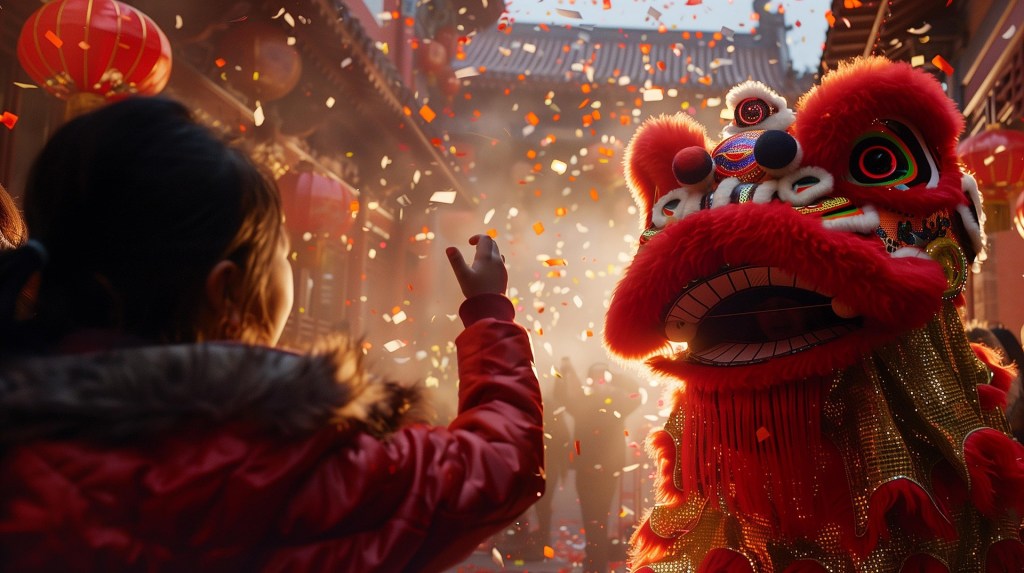
    Red envelopes, or hongbao, filled with money, are given to children and unmarried young adults as a symbol of good fortune. Fireworks and lion dances are also common, as they are believed to scare away evil spirits and invite prosperity.

    What People Wish For During Chinese New Year

    During this festive season, people exchange well wishes and blessings for the new year. Common greetings include:

    • (恭喜发财) – Wishing you prosperity and wealth
    • (新年快乐) – Happy New Year
    • (身体健康) – Wishing you good health
    • (万事如意) – May all things go as you wish

    The Special Meaning of the Snake in the Chinese Zodiac

    The Snake is the sixth animal in the Chinese zodiac cycle and is often associated with wisdom, intelligence, and mystery. People born in the Year of the Snake are believed to be intuitive, elegant, and highly perceptive. They are often seen as deep thinkers who approach life with strategy and grace.

    In Chinese culture, the Snake is associated with transformation and renewal. It symbolizes rebirth, adaptability, and resilience. The Year of the Snake is often considered a time for reflection, self-improvement, and making moves toward success.

    For those celebrating the Year of the Snake, it is believed to be an ideal time to embrace change, pursue knowledge, and harness inner wisdom to achieve one’s goals.

    Key Takeaways

    Chinese New Year is a time of joy, tradition, and optimism for the future. Whether it is through festive gatherings, exchanging good wishes, or honoring zodiac animals like the Snake, the celebration carries deep cultural significance. As people welcome the new year, they embrace the hope for prosperity, good health, and success, making it one of the most cherished and meaningful holidays in Chinese tradition.

  • Happy Winter Solstice!

    Happy Winter Solstice!

    It’s the shortest day of the year in the northern hemisphere, with more hours of darkness than daylight. As the days grow longer, it’s a time for new beginnings.

    Happy Winter Solstice!

    Photo credit: Purgin_Alexandr

  • Happy Lunar New Year: Year of the Dragon

    Happy Lunar New Year: Year of the Dragon

    Always have a reason to celebrate! Just one month into 2024 and it is another new year: lunar new year. It’s a time to think about prosperity, good fortune, and good health. It is also a time to visit family and enjoy good food (because we all like to eat).

    Traditionally, the lunar new year is a time to pay off debts and clean the house. It’s a great reason to decorate the home and buy new clothes. Red is a popular color at this time of year.

    It’s customary to have dinner with family. The younger generation receives lucky money in red envelopes from their parents and grandparents. Business managers may give bonuses in red packets. People indulge in traditional foods, such as dumplings and niango (cake).

    This year, 2024, is the year of the dragon, more specifically, the wood dragon. The dragon symbolizes bravery, creativity, and innovation. The dragon is a lucky creature. You will see lions and dragons at celebrations at this time of year. People born in a year of the dragon (2012, 2000, 1988, 1976, 1964, 1952, etc) are charismatic, ambitious, adventurous, and fearless. 

    Even if you don’t celebrate Lunar New Year, it’s a great reason to reflect on your own traditions, especially around what brings good luck and bad luck. It’s a chance to think about what new habits you want to develop going forward because this is a time for a new start.

    What traditions will you continue in the months ahead? What new beginnings do you want in your life? What new goals will you achieve?

    If you liked this post, subscribe so you don’t miss the next one!

  • Wishing You a Happy New Year

    Wishing You a Happy New Year

    Wishing you all a wonderful, safe, and prosperous new year in 2024! Thanks for your valued support of this blog this past year. Looking forward to reading about your stories in the coming months.

  • Happy Winter Solstice!

    Happy Winter Solstice!

    Happy Winter Solstice!

    The winter solstice marks the shortest day and longest night of the year in the northern hemisphere. People around the world celebrate the occasion in different ways. Here are just a few of those ways.

    In China, people celebrate Dong Zhi by getting together with family and eating special foods, such as tang yuan (glutinous rice balls), or dumplings. It is a time to celebrate the end of the year, and a turning point when yin energy transitions to the positive energy of yang.

    Peru’s winter solstice, Inti Raymi, is celebrated in June and honors the Incan sun god Inti (Quechua for “sun”). The festival takes place in the city of Cusco. Festivities include feasts and mock sacrifices that honor historic rituals.

    In the Southern Hemisphere, they celebrate Midwinter. Festivities include special meals, films, and sometimes handmade gifts.

    The Hopi Indians of northern Arizona celebrate the winter solstice during Soyal. Ceremonies and rituals include purification, dancing, storytelling, and gift-giving. At the time of the solstice, the Hopi welcome the protective spirits from the mountains. Prayer sticks are crafted and used for various blessings and other rituals.

    In Scandinavia, St. Lucia’s Day honors St. Lucia with the lighting of fires to ward off spirits during the longest night. Girls dress up in white gowns with red sashes and wear wreaths of candles on their heads in honor of St. Lucia.

    In Japan, they celebrate TojiIn. The winter solstice involves several rituals and customs to welcome the return of the sun. These traditions include taking a hot bath with yuzu, a citrus fruit known for its healing properties, eating a winter squash called kabocha, and foods that contain the “n” sound to bring good luck.

    The Persian festival Yalda, or Shab-e Yalda, is a celebration of the winter solstice in Iran. Loved ones get together to eat, drink, and read poetry throughout the night and to welcome the sun. The holiday symbolizes the victory of light over darkness.

    Yule is one of the oldest winter solstice festivals. Its origins are complicated and difficult to trace. One tradition of Yule is the Yule log, still popular today in a modernized form. The original Yule log was supposedly a large log that burned throughout the entire festival, for as many as 12 days. A popular modern take on the Yule log is a roulade-style cake that looks like a log.

    These are just some of the ways to celebrate the winter solstice. What are some celebrations that you are familiar with?