Tag: nostalgia

  • Returning to the Present and the Past

    Returning to the Present and the Past

    If I could relive any age or year, I would pick several ages and years from my life. I had some great years when everything went right, from my job to my personal life. I’ve also had great ages when I reached a milestone, like being old enough to do things. But I also think we often remember the past as better than it really was, so my favorite year might not be as great if I relived it. 

    It’s a bit like visiting a restaurant for the first time. The food tastes incredible, the atmosphere is memorable, and the company brings wonderful conversation. But when you go back to that place, even with the same people, hoping to recreate that same magic, it rarely feels the same. 

    If I truly could go back, I’m sure I’d find that those idealized years weren’t as perfect as I remember. I’ve changed. What thrilled me at twenty might not satisfy me now. Sure, I might regain youthful energy or experience that sense of newness, but I’d lose other things — wisdom, stability, and the deeper appreciation that comes with experience.So while it’s tempting to wish for a do-over, I think the best time to live is always now. The present moment, fleeting as it is, holds the potential to become a future great memory. Instead of reliving the past, maybe the real goal is to live so fully today that one day, when we look back, we won’t wish to return — we’ll simply be grateful we were there.

    Daily writing prompt
    Is there an age or year of your life you would re-live?

  • What’s the Oldest Thing You Own That You Still Use Daily?

    What’s the Oldest Thing You Own That You Still Use Daily?

    Daily writing prompt
    What’s the oldest thing you own that you still use daily?

    Today, I stopped to think about the oldest item in my home that I still use every single day. Not something tucked away in a closet or a “just in case” backup item (because I have lots of those), but something that earns its keep year after year, decade after decade.

    For many of us, these items remind us that things used to be built to last. Whether it’s a heavy-duty appliance from the 1970s or a wool coat that’s seen more winters than a snowplow, there’s something deeply satisfying about using something that’s stood the test of time.

    Museum Pieces in the Kitchen

    Take appliances, for example. My parents’ old avocado-green refrigerator—made sometime in the early 1980s—wasn’t fancy. It didn’t have touchscreen controls or 20 preset modes. But it worked. Every. Single. Day. The motor hummed like it was brand new, and the design was simple enough that if anything ever did go wrong, it was actually repairable.

    Contrast that with the experience of a friend who bought a brand-new fridge when she moved into her new place. It gave out barely a year later. One year! She spent another few thousand after just purchasing a new home that was supposed to have a new fridge.

    Wear and Wear Again

    Then there’s clothing. I have a wool coat I bought over ten years ago. Still warm, still stylish enough to pass for modern, and not a single tear or fray. The trick, of course, is consistency—your body can’t change too much. But as long as it fits, it’s good to go. That coat doesn’t just keep me warm; it has nostalgic value.

    Some of the clothes you buy today—fast fashion—are cheap but don’t last. Thin fabric, shoddy stitching, and trends that barely survive a single season. It’s fast fashion in every sense—fast to buy, fast to wear out, fast to forget.

    Technology’s Expiration Date

    Of course, some things are just doomed to become outdated no matter how high their quality is. Tech, for one. Your smartphone may be only a few years old, but eventually, apps stop updating, batteries weaken, and it’s time to buy a new one. Same goes for laptops, TVs, and other gadgets. 

    We’ve come to accept that as normal, but maybe we shouldn’t. Perhaps we should explore the possibility of developing products with durability in mind, rather than just focusing on profit margins. I’d rather buy once in a decade than renew and update every two years.

    The Value of Things That Last

    There’s something irreplaceable in an item that’s lasted decades. It’s proof that craftsmanship matters. That longevity is possible. That not everything needs to be disposable. I mean, I don’t have sentimental value attached to every appliance that I buy. But it’s nice to have something around for a while.

    So—what’s the oldest thing you still use daily? A coffee maker from the 70s? A cast iron pan passed down from a grandparent?  

    Whatever it is, give it a thanks of appreciation next time you use it. Things like that are getting harder to come by.

  • What Is Your Dream Chocolate Bar? Why Chocolate Feels So Comforting and Irresistible

    What Is Your Dream Chocolate Bar? Why Chocolate Feels So Comforting and Irresistible

    Daily writing prompt
    Describe your dream chocolate bar.

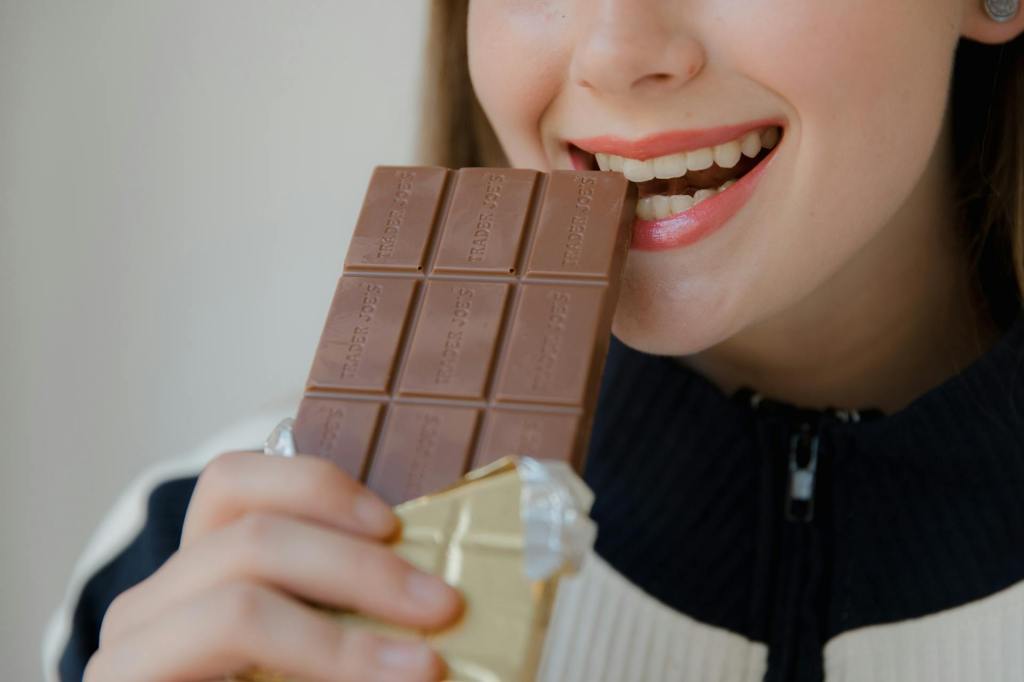
    You close your eyes and imagine the perfect bite. And then you feel it soft on your tongue – it begins to melt, silky and smooth. Your dream chocolate bar is more than just a sweet treat—it’s an escape. It might be a blend of dark and milk chocolate with a whisper of sea salt, a caramel core, and maybe a sprinkle of crushed hazelnuts. Or maybe it’s simpler—classic, creamy, and most importantly, nostalgic. It’s your comfort in edible form. But of all the types of chocolate, what is your dream chocolate bar? Let’s find out.

    Chocolate appeals to so many people because it taps into more than just your taste buds. It’s emotion, memory, and chemistry rolled into one! Chocolate is an indulgence. According to a 2024 Statista survey, Hershey’s, Kit Kat, Reese’s, Snickers, and Twix are tied as America’s favorites. Maybe one of yours is on this list?

    When you taste chocolate, you’re tasting relaxation. That smooth, rich sensation on your tongue tells your brain that everything will be okay. After a stressful day or after receiving bad news, you might have turned to chocolate as your consolation because your body knows it works with a sort of calming peace.

    It’s also tied to your memories. Halloween nights, running house to house with a pillowcase full of mini bars. Christmas stockings crammed with foil-wrapped Santas. Valentine’s Day hearts, filled with ganache or caramel. And Easter, when had to make the important decision of eating the bunny ears first or butt first. 

    When you were younger, chocolate was part of the wonder of holidays, of family, of celebration. Now, even as an adult, you feel that nostalgia with every bite. Dessert after a nice meal still ends best with something chocolatey. It signals the day closing on a good note.

    But there’s more to it than cravings. Chocolate has deep cultural roots. The first mass-produced chocolate bar, Chocolat Délicieux à Manger, appeared in 1847. Since then, chocolate has gone from a rare luxury to an everyday delight. You eat it for pleasure. For comfort. For a moment of indulgence in a busy world.

    So what’s your dream chocolate bar? It’s your story in sugar, cream, and cocoa. Whether it’s a gooey Reese’s, a crispy Kit Kat, or a silly decision of ears vs tail—it’s more than food. It’s therapy. It’s memory. It’s fun.