Tag: productivity

  • When do you feel most productive?

    When do you feel most productive?

    When do you feel most productive? I find most people have a straightforward answer, like “morning” or “night,” but for me, the answer is, “it depends.” For me, productivity depends entirely on the type of work I’m doing, whether it’s creative work, routine office work, or routine housework. (I’m unpredictable.)

    Mornings are best for my structured, routine tasks like meetings, email, and office work. It’s not all that exciting but it’s predictable, and I like getting those tasks all done earlier in the day. Same with housework for some reason. If I finish dusting the room and I get to see how clean it is in the sunlight, there’s a wonderful feeling of accomplishment that gets me through the rest of the day. 

    Evenings are when my night owl personality comes out. That’s when creativity kicks in. Writing, brainstorming, and deeper thinking crawl out of the shadows and into the moonlight. My mind is free to wander and that’s often when the best ideas are born.

    This contrast is exactly why having flexibility in your schedule is important. Having control over your time or running your own business allows you to align your work with your natural body rhythms. Instead of fighting against your energy levels, you can work in sync with them.

    A strict 9-to-5 schedule can make this balance harder to achieve, and not everyone can have the luxury of deciding their schedule! I remember when I used to work a 9-to-5 and one time I was so sleepy that I forced myself to stay awake and type. I fell out of my chair, which jolted me awake – and this is my reasoning for a flexible schedule!

    Understanding when you work best—and adjusting accordingly—is the best way to handle productivity. You’re not fighting your body or doing embarrassing things like falling asleep at the keyboard. 

    Daily writing prompt
    When do you feel most productive?

  • How to Deal with Distractions While at Work

    How to Deal with Distractions While at Work

    Distractions can be relaxing. Distractions can be harmful. How you deal with distractions determines if you can manage your time or watch it slip away from you. Especially at this time of year, it’s easy to lose motivation at work. We’re still partly in holiday mode and readjusting to our work schedule. If you are distracted while at work, try these tips on how to deal with distractions to keep yourself focused.

    1 Shift Your Mind into Work Mode

    Imagine your mind as a bunch of rooms. If you can, divide your life into compartments to avoid distractions. If you work from home, there is plenty to distract you from doing your work. Your family members may want your attention. Or your delicious lunch is tempting you to go to the kitchen. That TV series you’re hooked on is beckoning you to finish one more episode.

    A mental switch into work mode can include changing into work clothes (your work sweater, your work hoodie) and starting your routine, such as getting your cup of coffee, opening up your computer, and checking your work emails. 

    If your job involves a lot of brainstorming and creative thinking, it’s easy to take a moment to check messages on your phone, wander off to get a quick snack, or peek out the window to see what the neighbors are doing. “I’m doing some research,” you say. The break might inspire you with a breakthrough.

    The ding! of a work email can be super exciting if your mind is completely blank and you’re stuck on your creative work task. What should you write next? How do you tackle this problem? Checking a work message can be a nice distraction. After all, you’re still in work mode. You’re just off task. Having a timer helps keep you on task.

    2 Prioritize and Time Your Tasks

    Sometimes, despite your best intentions, it is difficult to stay in work mode. You might still be in holiday mode and feeling sleepy now that you’re getting up early again. However, office hours have begun and you need to get some work done. Devoting a whole eight hours to work instead of doing whatever you like can be daunting.

    Start by mapping out what work tasks you absolutely must complete and what tasks would be nice to complete. Prioritize tasks that must get done by a specific time or end of the day. 

    Use a timer and block off your day in 15 or 30-minute chunks – decide what increment works best for you. It’s easier for your mind to wander if you think you have all day to finish your work. Set a goal to complete a specific task within your time block. With short-term goals, it’s easier to stay focused.

    3 Set Aside Time for Self Care

    Sometimes, telling yourself to switch to work mode or prioritize tasks isn’t enough, especially if you’re dealing with something that affects your mental or physical health. 

    For example, you just found out you have a major health issue to deal with in the coming months or you’re dealing with a conflict at home that’s giving you sleepless nights.

    Provide yourself with something to look forward to, such as a favorite snack or lunch to reward yourself when you finish part of the work day. If you can, take a nap or listen to some music. Go for a walk during lunch. Talk with a friend during your break. What you do after work is important as well, such as spending time with friends or family, or going to the gym. Check if you’re getting enough sleep. Plan an activity so you have something to look forward to at the end of the work week.

    Distractions can be fun, but sometimes too much distraction can lower your productivity.

    What do you do when distractions pull you in multiple directions?

    If you enjoyed this article, subscribe to make sure you don’t miss the next post!

  • 3 Tips to Increase Your Productivity

    3 Tips to Increase Your Productivity

    Repost

    Working when it’s a holiday is tough. (Canada Day was July 1 and Independence Day is July 4) Your family and friends have invited you to join their plans but you must spend a few hours at the computer to meet an urgent deadline. Work can be fun if you enjoy it; a real pain if you don’t. 

    If you’re working from home and trying to ignore distractions, (and if you’re not working and just attempting to be productive at your personal goals), try these tips to stay productive, regardless of the day of the week.

    1 Set Goals

    Before you begin your workday, set your goals. Ask yourself what must be done today and what could be done today if you have the time. 

    Work backward, calculating the number of hours you plan to work and estimating the number of hours you need for the critical tasks. If you still have time left, add the tasks that would be nice to complete. 

    For example, if you plan to work X hours, estimate how long it will take you to complete the mandatory tasks. Then decide what tasks you could work on if you still have some time left.

    After prioritizing these tasks, complete the most urgent or difficult one first. Make a checklist of your tasks for the day, and cross off each task as you complete it. It’s a great feeling to see your list shrink as your day progresses.

    If you’re a freelancer or business owner, your goal for Saturday or Sunday might be to catch up on less important tasks. It’s a peaceful time to clear out some paperwork or catch up on the accounting you didn’t have time for during the week.

    2 Time Blocking

    Okay, you’ve decided on a list of what you want to complete by the end of your work day. Next, you want to block time for working productively.

    Estimate how much time it takes to complete a task. Then focus on working in short spurts. You might want to set a timer to mark when 15 to 30 minutes have passed. Or, you might want to work in long time blocks of one hour, although shorter periods are better for focused concentration.

    After a short block of time has passed, take a brief break. Stretch, walk around or sip on your favorite work beverage. If you work in long time blocks, take a longer break.

    Set boundaries for communication and socialization, especially if you live with others. Have a way to signal to family or roommates when it’s your office hours. For example, close your home office door. When it’s break time, open the door so they know that’s their time to speak with you or spend time with you.

    If you have coworkers who also work, even on the weekends, you can also time block. If answering messages and emails distracts you from your task, wait until your task is complete before answering messages. If you don’t have time to complete a work request, tell your coworker when you will be completing the task.

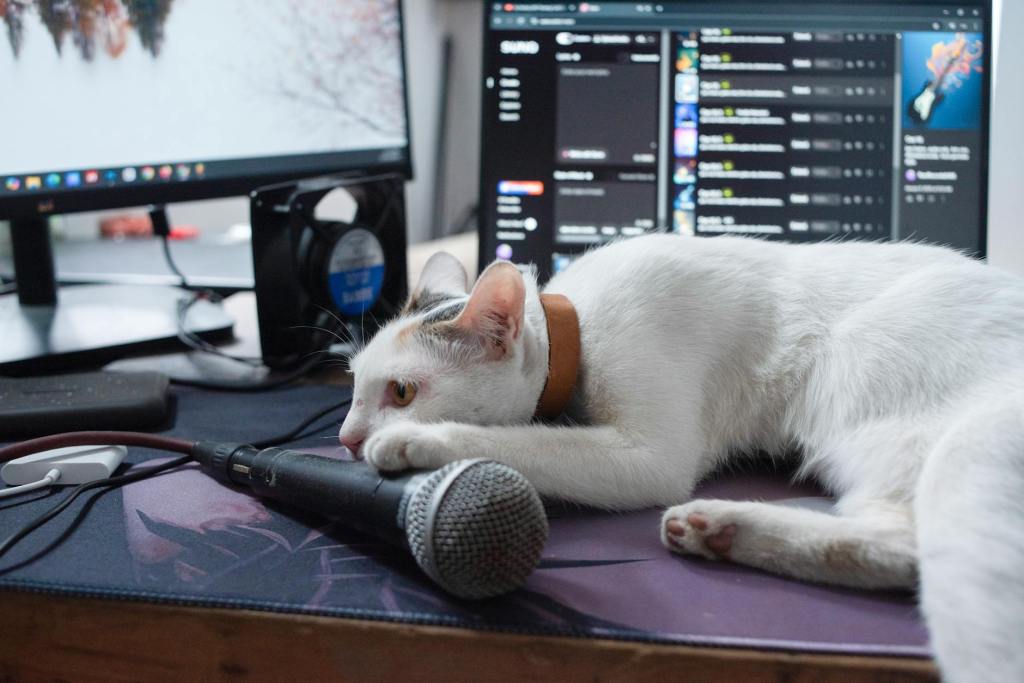
    Most importantly, when it is time to work, use that block of time productively. Focus on your work and turn off all distractions. Listen to music if it helps to keep you focused. Tell your furry coworker friend they can work next to you as long as they don’t sit on the keyboard (which cats sometimes do).   

    3 Prioritize Health

    Time blocking can greatly increase your productivity. Just as important to your productivity is including habits to improve your mental and physical health.

    Working on a stat or national holiday can already be challenging if everyone you know has time off. This type of work schedule can affect your mental health if you want to break free and join whatever your family is doing.

    But since you’re committed to the work day, commit yourself to setting boundaries. Decide on blocks of time when you can have a quick chat with your family during a work break. Make plans for later in the day so you’ll have something to look forward to.

    If you live alone, chat with your friends during your work breaks. Take advantage of support systems that you find on social media. 

    People who freelance or run a business reach out to online communities so they can share their challenges and struggles. This network is especially important if your friends aren’t business owners and constantly ask why you’re working on the weekend or a stat/national holiday.

    In addition to social support, look after your body. When you work from home, it’s easy to hunch over a computer and stare at a screen for hours. It’s not healthy for your back or eyes. 

    During a break, stretch, get a cup of tea or coffee, and walk around. Take in your surroundings. Chat with your plant, cat, bird, or dog about what you’re working on. Sometimes you’ll have a breakthrough while you brainstorm, and you’ll work out what was stumping you about your work task.

    Key Takeaways

    If you’re working from home this weekend, you can improve your focus and productivity with careful planning. First, set your goals, then use time blocking to ensure that you achieve them. Third, remember to take breaks and rest to keep your body and mind healthy.

    If you liked this post, subscribe so you don’t miss the next one!
  • What Dream Job Would You Have for a Day?

    What Dream Job Would You Have for a Day?

    If I could do any job I wanted for just one day, I would be a professional daydreamer, but with one twist. My daydreams come true. You’re probably wondering how that could be useful to the world, so let me explain.

    Daily writing prompt
    What’s a job you would like to do for just one day?

    For my actual job, I spend a lot of time learning about people’s jobs. I’ve interviewed people, visited where they work, searched the web, and had everyday experiences with workers when I go shopping or call customer service. 

    For a bit of variation in my job, I would be a professional daydreamer for a day. I would daydream of ways to improve people’s jobs. For lazy people and job haters, I’d devise tech to help them get tasks done. Poof! All they have to do is report for duty and work is accomplished. Customers and bosses are happy and there is an excellent safety record.

    On the other hand, I’d daydream of ways to help overachievers and job lovers. They would accomplish tasks in their sleep and double their productivity with the help of tech and elves. 

    And of course, for people who like their job but don’t want it to take more than a certain number of hours per day, I would find similar ways to make their day go faster and easier.

    For everyone on my daydreaming day, work gets done. In the end, it’s not about job satisfaction and getting finishing tasks. We want more than just to exist. So my dream job for a day would be to make everyone’s day go much more smoothly.

  • How to Double Your Productivity

    How to Double Your Productivity

    It’s challenging to be productive at all hours of the day. This is especially true if you are a night person and need to be productive during your office day job, or if you’re a morning person and have to work a night shift. Sometimes, you just have to defy the odds and find a way to be productive to get a task done.

    If you want to double your productivity, set reachable goals that turn you into an achiever. Entrepreneur Bill Gates said, “Most people overestimate what they can do in one year and underestimate what they can do in ten years.” 

    Bite-sized goals that you can achieve quickly reward you with the satisfaction of success. Small successes lead to bigger ones. Realistic, measurable goals help you accomplish what you need in a year or ten years.

    In the meantime, tackling your daily and weekly goals is just as effective. Over time, you can increase your productivity and achieve more by following a three-step plan. 

    Daily writing prompt
    When do you feel most productive?

    1 Productivity Assessment at the End of the Week

    Let’s begin with where you are now. Whether you already had goals or not, reflect on what brought you here. What did you accomplish? 

    Whether big or small, your achievements are important, so celebrate them. For example, you ate a healthy lunch today. You rocked your assignment today. Or you finally bought your dream home. Goals are goals, and they’re all worth recognition.

    Assess what you’ve accomplished. What did you do well? What could you have done better? Some people find it difficult to feel proud about what they’ve done. They don’t want to share their achievements because they are humble or feel uncomfortable bragging when they should. A win is a win.

    Also, reflect on what you’ve done and think about what you could have done better. Could you have reached your goal more efficiently? Could you raise the bar for your next goal a little higher? 

    If you fail to reach a goal, set aside time to deal with negative feelings of disappointment and provide time for self-care. Then, decide if you should set a different goal or change it. Maybe your goal was unrealistic and needed a stepping stone. 

    Instead of opening an e-commerce business, first, take a business course. Instead of running long distances, start with shorter ones. The most successful people in the world had to overcome failures.

    Evaluating and assessing will improve your productivity and what you can achieve in a week or a year. 

    2 Check in with Community and Family

    Whether you are an introvert or an extrovert, community and family support are important for your productivity. Surrounding yourself with like-minded people is vital for self-care and inspiration.

    If you’re an introvert, having a virtual community or “family” can help you recharge. You can join online communities and seek advice or read posts for ideas on improving your health, tips on being more productive, and inspiration from other people’s successes. It may take a while to find the right community, but investing time is worth it. Another advantage of virtual groups is getting in touch with like-minded people worldwide. 

    If you like being around people, join in-person groups to be with people who have similar interests as you. Being around people in person has a different energy level than viewing posts on social media or reading about people’s brag moments. Spending time with like-minded people can recharge your energy.

    Spending time with close friends and family is another way to recharge and improve productivity. These people are your cheer squad. They celebrate your successes and motivate you to be your best self. They are also there to pick you up when you’re down and set you on your way again.

    3 Productivity Assessment for the Coming Week

    The third way to improve your productivity for the coming week is to decide what you want to accomplish before the new week begins.

    Start with the big picture first. What are your big goals for the week? Decide on one to three things you want to achieve before the next seven days are over. These could be personal goals – such as a fitness goal – or professional goals – such as finishing a major project.

    Next, break down your major goals into smaller ones. These are your daily goals. Again, they can be personal or professional daily goals. For example, you plan to run for X minutes every day. Another example is to break down work projects into daily milestones.  

    When you set daily, manageable goals, you will have a daily feeling of accomplishment. By the end of the week, you will have a series of accomplishments to look back on.

    Prepare yourself for the week ahead. Some people choose their work outfits the night before to save time. Preparing meals for the week is also efficient.

    Also, set a time each day to reflect. Some people meditate. It is a time that you set aside each day to check in with yourself. Too often we focus on getting things done for work or family and forget to check in with ourselves. Are we feeling mentally or physically exhausted? Do we need time for self care?

    Finally, set daily goals for continuous learning, even if all you have is five minutes a day. Learn a new word in your native language or another language. Google a faster way to use a computer program that you use at work. Try out a new recipe. They say constant learning keeps the mind young.

    Key Takeaways

    To double your productivity, assess where you are now and where you would like to be. Set goals to help you achieve your personal or professional accomplishments. Connect with like-minded people who will motivate you. 

    Finally, always reflect on your accomplishments. Could you improve, or have you done the best you ever can?

    If you liked this post, subscribe so you don’t miss the next one!