Tag: security

  • The Cybersecurity Threat That Included Ransomware

    The Cybersecurity Threat That Included Ransomware

    Last week, chaos erupted at the office. Well, it was thoughtful chaos. Our company had a discussion about what we would need to do if we faced a cybersecurity threat that sent ransomware throughout our computer systems.

    It was a hypothetical situation, of course. Someone added an image of a dumpster fire on our collaborative Miro board. Another person added a happy face using the emoji stickers. But despite the levity of the images, the discussion was a real one.

    Cyber threats are everywhere, and no business is too small to be a target. Hackers don’t care if you’re running a Fortune 500 company or a local coffee shop; if they can get in, they will. That’s why having solid cybersecurity measures in place isn’t just a good idea—it’s a must. And thus, the reason for our discussion. We covered many points in our two-hour hypothetical situation, including the following points for businesses.

    Keeping Data Safe

    Your business holds a ton of sensitive information—customer details, financial records, employee data—just a few examples. If hackers get their hands on it, the consequences can be devastating. Encrypting data, using multi-factor authentication, and running security checks regularly can help keep data safely stored away.

    Avoid Losing Money

    Cyberattacks like ransomware and phishing scams can drain your bank account faster than you can say “data breach.” Small businesses, especially, don’t always have the extra cash to bounce back from a major attack. Investing in firewalls and anti-malware tools, and training your team to spot scams can save you a fortune in the long run.

    Earning Customer Trust

    Nobody wants to do business with a company that can’t protect their personal info. A security breach can destroy your reputation overnight. Show them you take their privacy seriously by putting strong security measures in place—it’ll go a long way in building trust and loyalty.

    Having a Solid Plan

    Employees should be aware of what to do if their computer becomes infected or if they are suddenly denied access to company data because of a cyber attack. Company leadership should also have solid protocols for contacting staff and customers when they do discover ransomware. Having a plan will get the company back to normal operations as soon as possible.  

    Key Takeaways

    Cybersecurity isn’t just for tech giants—it’s for everyone. By being proactive and setting up strong security measures, you can avoid data disasters, keep your business running smoothly, and give your customers peace of mind. 

    Thanks for reading this post!
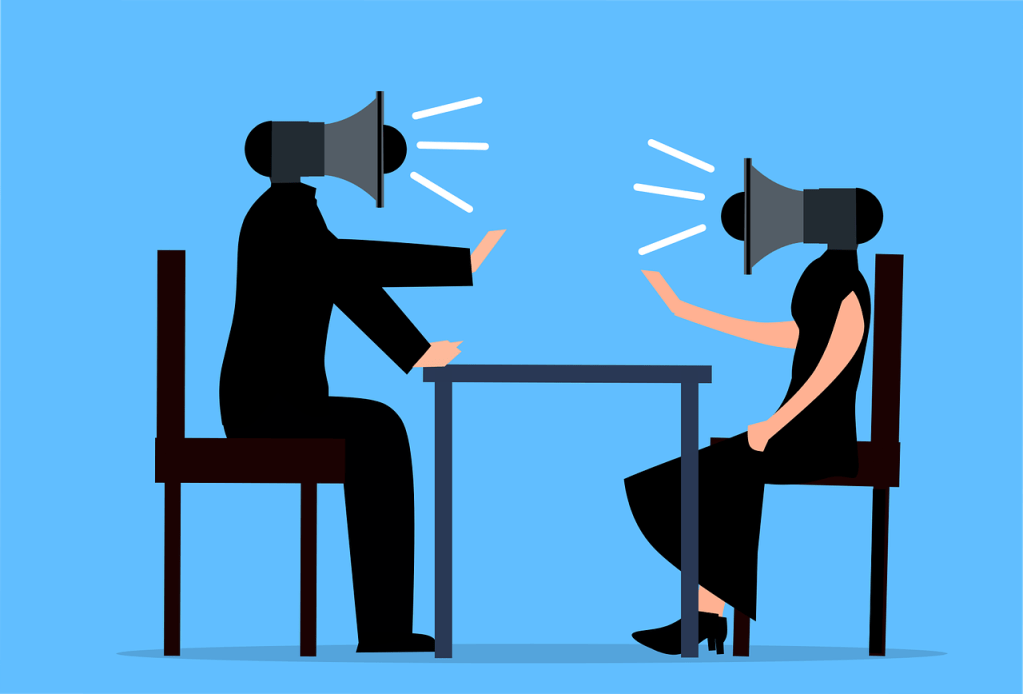
  • Let’s Normalize Privacy and Discretion

    Let’s Normalize Privacy and Discretion

    You don’t know me. But I know your name and I know where you live.

    Scary, right? Recently, I saw a video about protecting your personal details like your birthday, phone number, and address when businesses won’t do that for you. Scams are becoming more common, and businesses don’t need to make a criminal’s job easier for them.

    The Potential Harm of Sharing Details

    Sharing personal details can be harmful. Here are some examples: a doctor’s office or pharmacy that calls out your full name to everyone in the waiting room. Or the receptionist who asks to confirm your details by getting you to say your birthday and address so the whole room can hear it. 

    Another example is the bank teller who confirms the large amount of cash you’re withdrawing by saying it loud enough so the people behind know how much cash you’re about to carry out the door.

    A woman commented on the video that a staff member at a medical office said her full name out loud. After the appointment, a man she didn’t know called out her full name. He had been watching her earlier in the waiting room. He started to follow her out of the building. 

    Can We Protect Ourselves?

    We can be proactive, but the business needs to work with us. People have written their personal information on a piece of paper, only to have the receptionist read out all the details to confirm the details with the patient. 

    Another method is to show a driver’s license. Some people have tried this, and said they got unhappy looks from the employee who seemed to think the method was a lazy way to avoid speaking (and for not sharing personal information with everyone in the room).

    It’s not very discreet if you write down the amount you want to withdraw and the bank teller shouts out each one hundred dollar bill for everyone around you to hear. By the time you leave the bank, you will feel like a rob-me-I-have-cash target is marked on your back. 

    One suggestion is to check in with reception at the doctor’s office, the pharmacy, or whichever office you’re waiting at. They quietly take your name and then give you a number. When they call you, they call your number, not your full name. It’s not as personal or friendly, but it’s definitely more discreet. More offices should try this.

    Key Takeaways

    Businesses aren’t doing enough to protect our personal information. They like to confirm our identity by asking us to say our full name, address, or phone number in a room full of strangers. Our safety from scammers or creepy people is not safeguarded. We can use some techniques to protect ourselves, but the business needs to cooperate for those techniques to work.

    What do you think about how businesses protect your privacy? What methods have you tried?