Tag: trends

  • Is AI Good or Bad for Writers

    Is AI Good or Bad for Writers

    In a previous post, I wrote about the advantages and disadvantages of AI. Today, this very charged but relevant topic will get a part 2! 

    Recently, I read a discussion in a writing group about the impact of AI on writing jobs. The overall consensus was that jobs for writers are and will be affected. Topics that AI can’t write well will continue to be written by human writers. However, pieces that AI can generate are the most likely to replace human writers. For example, Top 10 lists, entertainment pieces, generic communication, and basic research for writing projects. 

    The type of writing that AI cannot reproduce requires human contact and a knowledge of technological advancements; for example, writers who produce how-to guides about the use of new technology. AI may not have access to the knowledge or vocabulary to explain how to operate such technology. 

    Similarly, AI cannot interview people and produce a piece of writing that includes the opinions of those interviewees. This human interest angle cannot be replicated with AI unless those interviews are already in the public domain. 

    Tech companies that aim to increase the number of clients they serve need to generate tech-related content at a speed that is too fast for humans to achieve unless they employ several humans working around the clock. From a project management perspective, that would be a headache, especially considering that they must hire content specialists who demand a high price tag. It would be more cost efficient to employ a smaller staff of writers who can check the authenticity of the AI while increasing the company’s output to serve more clients. In other words, writers who are tech savvy will be one type of writer who will thrive in an AI world. 

    Is AI good or bad? From this focus on the impact of AI and the writing fields, it is clear that AI will replace jobs. Some writers won’t find work for certain types of writing projects. But AI will also create and maintain jobs. The trickle-down effect of AI is thus both harmful and beneficial. 

    What do you think about this topic?

  • I’m Still Here

    I’m Still Here

    These days, we’re all wondering if we’ll be replaced by technology. Some organizations are using AI to write, instead of hiring writers. Does this mean writers will be out of jobs in the future?
    Yet, the vacuum still hasn’t replaced the broom. I own both a vacuum and a broom. I also have a computer and a smartphone, and I still read paper books.

    For sure, technology has replaced what used to be a regular part of people’s lives in the past. The average person will travel by car or public transit instead of by horse to get where they want to go. The average person will use electric lighting instead of candles to brighten their room at night.

    However, some things are still here to stay, co-existing in a modern world. What do you think?

  • Fashion Tips and Trends for Writers

    Fashion Tips and Trends for Writers

    Part 2: An update.

    Most writers I know are introverts: shy and unseen. You read about them and their work. Unlike news reporters, teachers, actors, or nurses, you don’t see them while they’re working. So does it matter what writers wear?

    Of course, writers wear clothes, but what are this elusive group’s fashion trends and preferences? The mystery is about to be solved. Here are some fashion tips and trends for writers… and anyone who wants to dress like a writer.

    What should a writer wear?

    A search through Google images showed me a wide range in fashion: a suit and tie (while standing in front of the stereotypical bookshelf, because what is a writer without books, right?), a dress with a newsprint pattern (why read the paper when you can wear it), and frumpy clothes (these are the work from home writers).

    These days, I rarely see anyone in a shirt and tie. I’ve never met a writer wearing a scarf and sunglasses, or a newsprint dress.

    In some of my writer groups, people write about lounging around the house in gym wear or PJs while they sip a glass of wine at their computer.

    Some easy fashion tips

    A Google search gave this result: “Writers can wear anything, as long as they wear it with confidence. You can start with black clothing, a basic uniform for many writers.” Uniform? Writers have uniforms? (If you’re a writer and wear a uniform, raise your hand.)

    When I’m writing, I like to dress incognito. The clothes I wear around the house when I’m working blend in with the crowd when I go shopping, walk at the park, or hang out at the coffee shop. If you’re observing people to write about them in your stories or blogs, it helps to mix in with your surroundings.

    If you write genre fiction, you can dress like a famous person if you write history, an alien if you write sci-fi, or a vampire if you like horror. Then, wait for the reactions of your friends and fans as they ask about your latest book. You can also reuse your costume at your next Halloween party—or book promotion, where you dress up as your protagonist.

    The possibilities are endless.

    If you’re a writer, what pieces of clothing define you? What clothing characterizes you so that when you’re famous, your fans can recognize who you are with one single glance?

  • How Often Do You Say Hello?

    How Often Do You Say Hello?

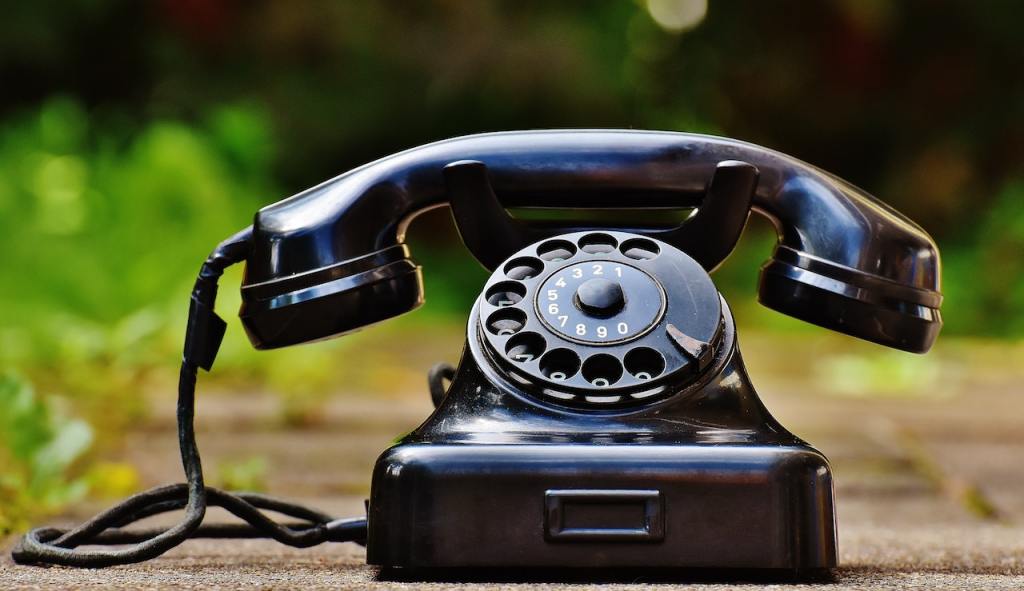
    Some random trivia I came across today: the song “Hello My Baby” was meant to poke fun at some trendy slang from the time. That new word was “Hello.” Alexander Graham Bell suggested “Ahoy!” as the proper way to answer this new invention called the telephone. Instead, people were taught that “hello” was the proper way to answer the phone. The song (shown below) made fun of how people sounded when answering phones was still a new phenomenon. How far we’ve come since then! Hello is now just a regular part of the English language.