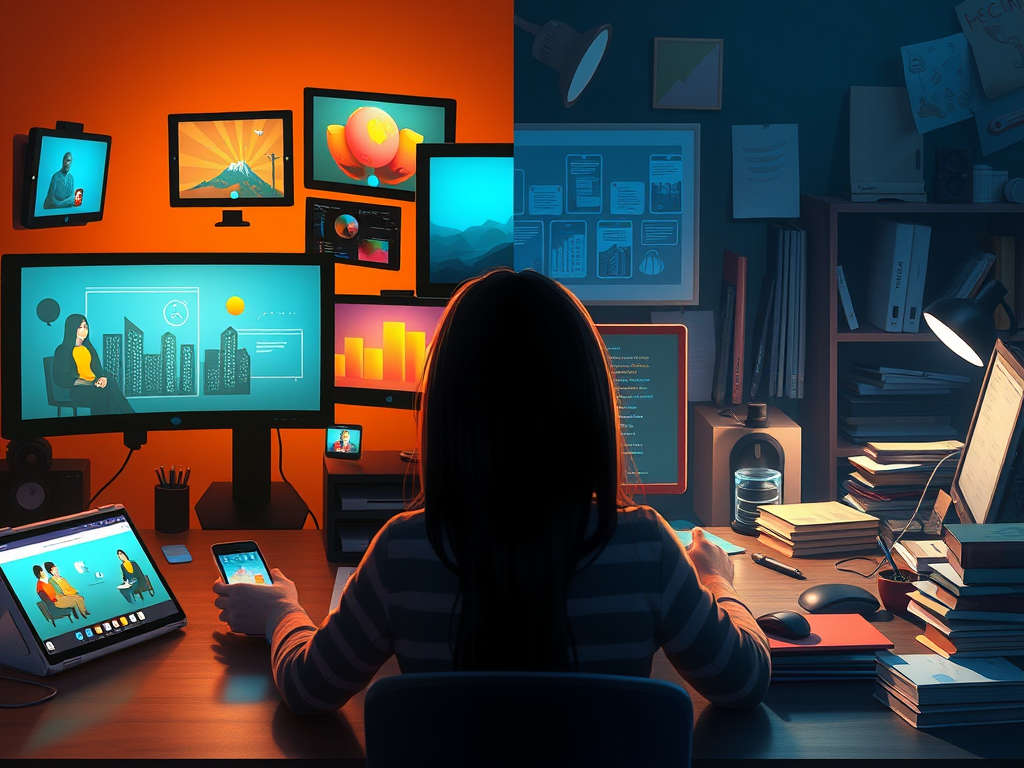
Screens are now a part of our daily lives, from TVs to smartphones to computers. While they offer incredible benefits, too much screen time can lead to challenges we can’t ignore. Striking a healthy balance is essential to make the most of what screens offer while minimizing their drawbacks.
The Benefits of Screen Time
- Unlimited Access to Information
Screens provide a world of knowledge at our fingertips. From researching restaurant options to finding directions to learning unusual facts, they make it easy to learn new things, whether for school, work, or personal interests. - Connecting with Others
Technology bridges distances, helping us stay in touch with family, friends, and colleagues. Whether through video calls, messaging apps, or social media, screens help maintain relationships, no matter how far apart we are. - Educational Opportunities
E-learning platforms and apps make education more accessible and interactive. People with busy schedules can take courses at a time that’s convenient for them. - Entertainment Options
These days, a night at the movie theatre can be expensive when you factor in tickets, snacks, and drinks. Streaming a movie for a relaxing night at home can save money and travel time.
The Challenges of Screen Time
- Physical Health Concerns
Spending long hours in front of a screen can lead to eye strain, headaches, and poor posture. Not to mention the hazards of falling asleep so that your smartphone falls on your face. Over time, too much screen time can impact overall health, especially when combined with a sedentary lifestyle. - Mental Health Impacts
Excessive screen time, especially on social media, can contribute to stress, anxiety, and feelings of inadequacy. The constant notifications and information overload can make it difficult to unplug and recharge. - Disrupted Sleep
Blue light from screens can interfere with the body’s natural sleep cycle, making it harder to fall asleep and stay rested. Late-night scrolling or streaming often leads to poor sleep quality. - Reduced Real-World Interaction
Heavy reliance on screens for communication can sometimes take away from face-to-face connections and meaningful interactions in the real world.
Finding the Right Balance
To get the best of both worlds, it’s important to regulate screen time. Set boundaries, like limiting screen use before bed or designating device-free zones at home. Include offline activities, such as exercise, reading books, or spending quality time with loved ones. Using tools like screen time trackers can also help build healthier habits.
By finding a balance, we can enjoy its benefits while protecting our well-being.

 Vanya Wryter Consulting Services
💯 great post 💜
I wish you a happy afternoon 🌅 Best regards 🌎🇪🇦
LikeLiked by 1 person
I hope you have a great day!
LikeLiked by 2 people
🪻🌹🙏
LikeLiked by 1 person
Thanks for reading!
LikeLiked by 1 person
Very useful post well shared 💐
LikeLiked by 3 people
Thanks!
LikeLiked by 2 people
🙏
LikeLiked by 2 people
Really great post and I so agree with you, it’s all about balance at the end of the day. Technology can be great but it’s important to have boundaries.
LikeLiked by 2 people
Thanks, Pooja!
LikeLiked by 2 people
You’re very welcome!
LikeLiked by 2 people
Nice post.
LikeLiked by 2 people
Thanks!
LikeLiked by 2 people
You are welcome.
LikeLiked by 2 people