How do you know if you’re reading a good history book or a bad one?
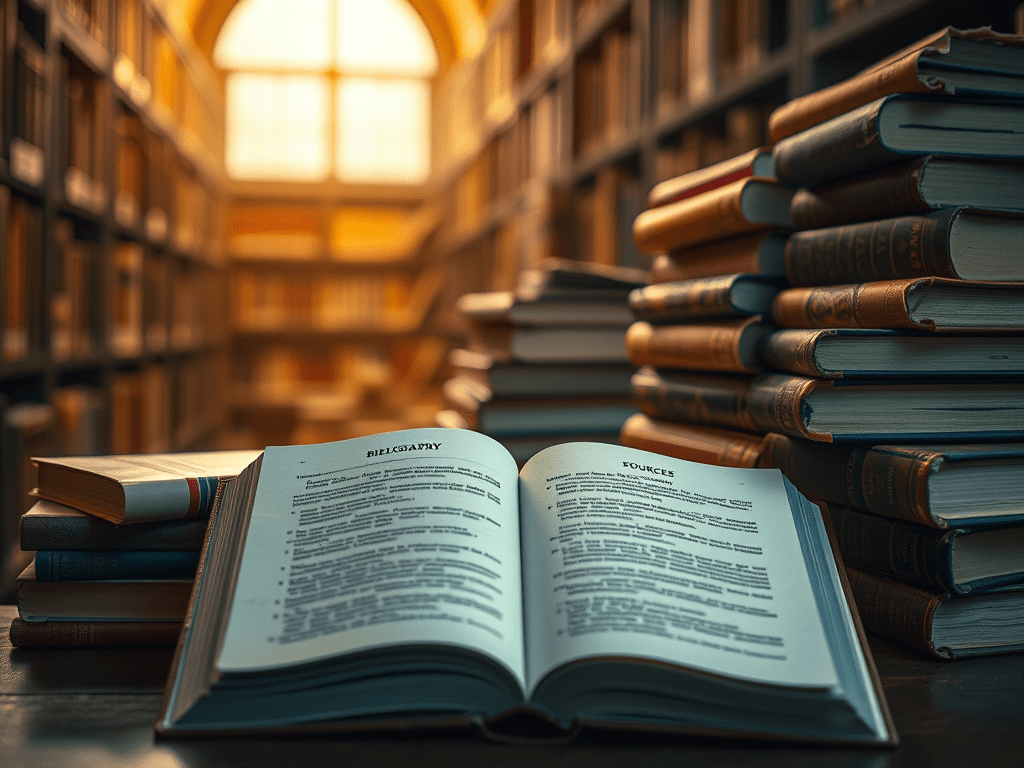
This video I watched stated that a thirty-second test will help you to determine the quality of the history book you’re reading. If the book is about a part of the world that you’re not from, then flip to the bibliography at the end.
Do you see any sources in the language of the country that you’re reading about? If there aren’t any, the advice would be to toss the book. For example, to get a more authentic experience about the history of the Middle East, the sources should ideally be in four of the languages spoken in the area to get the best authentic experience. Don’t settle for a foreign translation of the history of the place you are reading about.
Here is the video that makes this point about authentic history.

 Vanya Wryter Consulting Services
You have raised a good point.
LikeLiked by 2 people
Thanks for reading!
LikeLiked by 2 people
Great point. As technology reduces the barriers between cultures, it’s on us to make sure we’re going after authentic voices.
LikeLiked by 2 people
I’m always curious to get both sides to every story. Authentic voices are important!
LikeLiked by 1 person
I think that history is a subject where there are more lies and propaganda than in any other subject. I know that because I live in Bosnia and Herzegovina, a country that recently got out of war between our three ethnic groups, and each of them has their own version of history in which they are the victims and others are aggressors. Also I know that other nations are in a similar situation. It’s hard to find a history book that is not biased.
LikeLiked by 3 people
I’d say impossible. There’s three sides to everything-yours, mine, and the truth. That’s why all voices have value.
LikeLiked by 3 people
I could say that I agree. But studying all sides of the story with an open mind can bring us close to the truth.
LikeLiked by 3 people
An open mind is important!
LikeLiked by 2 people
I would agree. I think that’s why they were saying in the podcast that the textbook should be citing multiple sources in their native languages to reduce the amount of bias as much as possible.
LikeLiked by 2 people