Do You Spend More Time Thinking About the Future or the Past?

Whether we think more about the past or the future depends on what’s happening in our lives at the time. Reconnecting with an old relative earlier this year made me nostalgic. Also, becoming very ill made me reflective because I realized how fragile life is.

Seeing an old friend or relative that you haven’t seen in years is a perfect example. Conversations can unlock years of shared history—inside jokes, old routines, moments you didn’t realize would become “the good old days.” You also become aware of lost time when you notice how much older you both look. You start thinking about how long it’s been, how life got busy, how easy it was to assume there would always be more chances. That reflection, of course, gets you thinking that you’d better be more proactive with staying in touch, or finding a chance to visit each other again. Because maybe next time there won’t be a next time.

Illness has a similar effect. Being sick forces you to slow down, and then you realize how much of your daily routine you miss. You can’t eat your favorite food. You missed the party you had been planning to attend for weeks. At the same time, it makes the future more precious. You start making mental notes to eat better, not to wait so long before you visit your friend, and not to postpone visiting your grandparents.

In moments like these, the past and future collide. The past reminds us of what mattered. The future becomes a space for second chances and better choices.

Ultimately, when we think about the past, we realize what we value; when we think about the future, we realize what’s important.

Daily writing prompt
Do you spend more time thinking about the future or the past? Why?

5 Tips to Evaluate a Good Judge of Character

We all wish we could be good judges of character, but we aren’t always successful. I’m not the best at it, but here are my tips on judging people’s character, based on my own limited experience! Let me know if you’ve got tips to add to the list!

1. Observe How They Treat People Beneath Them

A truly insightful person understands that character is revealed not by how someone treats their boss, but by how they interact with those they consider as having lower status—waitstaff, cleaning staff, or subordinates. People of good character respect others and treat them like equals. 

2. They Don’t Ignore the Small Red Flags

A common bad habit is giving people “extra chances” and excusing early warning signs. A good judge of character notices minute details—a small lie, manipulation, or a broken promise. They understand that a pattern of bad behavior almost always starts small. If your friend consistently acknowledges these flags, rather than excusing them.

3. They Set and Maintain Clear Boundaries

A person with poor judgment often allows others to cross their boundaries, hoping the disrespectful person will change. In contrast, a sharp judge of character uses boundaries as a filter. They set clear rules (e.g., “I won’t tolerate being yelled at”) and enforce them immediately. This shows they value their peace over keeping a problematic person in their life.

4. They Learn Explicitly From Past Mistakes

It’s natural to misjudge someone. But an excellent judge of character doesn’t just move on from the bad experience; they engage in active self-reflection. They know why they were fooled, and can identify what they missed. 

5. They Wait for Behavior, Not Just Words

Flattery, charisma, and eloquent speeches are poor indicators of a person’s true personality. A good judge of character evaluates people based on what they do over time—the consistency, reliability, and kindness demonstrated over months, not the short term. If they are slow to trust, they are likely a very wise judge of human nature.

Daily writing prompt
Are you a good judge of character?

A Bear Went to School

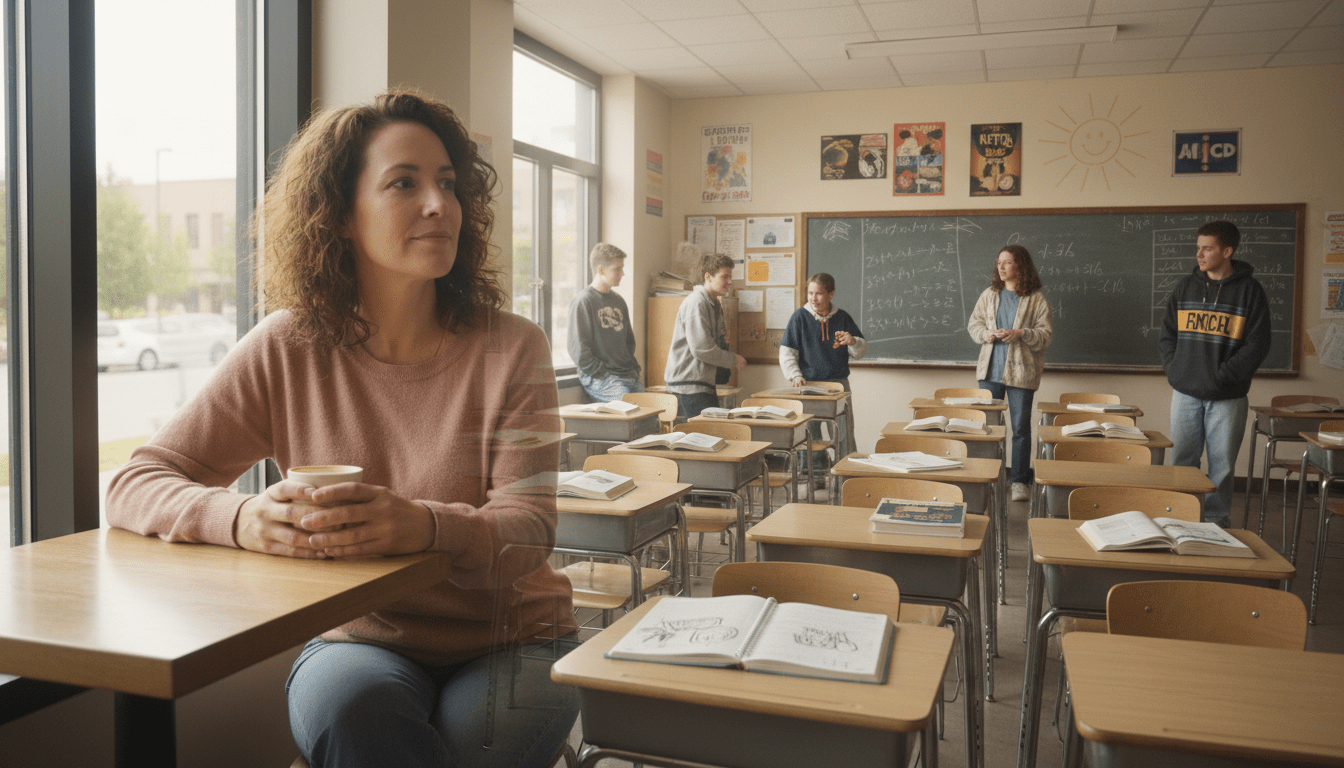
I actually have seen a few wild animals, though not because I’m particularly adventurous. I live in a big city, but sometimes people here stumble on bears while in the park, or a bear will enter their yard. One of the most memorable moments occurred when I was walking with a friend in a wooded area next to city buildings. Everything felt normal until we crossed school grounds on a Saturday and noticed a furry creature on all fours and decided it wasn’t a student. It still felt surreal—like the bear had shown up to audit a class. Other people were around, and all of us backed away and put as much distance as possible between the bear and us. I took a picture but the bear is so small (at a distance) that it’s not worth sharing. (Blog photo is a re-creation of what happened.)

Another friend of mine had an even more intense encounter: she saw bison weaving through stopped traffic in Yellowstone National Park. As impressive as bison are, they can be terrifying up close. They’re huge, unpredictable, and strong enough to wreck a car without much effort. In situations like that, there’s really nothing you can do except sit in your car and wait until the procession passes.

Those experiences remind me that wild animals, while fascinating, are most safely appreciated from afar.

Daily writing prompt
Do you ever see wild animals?

What Technology Are You Better Off Without?

Everywhere you look, you’ll see gadgets, apps, and digital conveniences; it’s easy to feel like every piece of technology is essential. For many of us, tech supports our work, our learning, our communication, and even our creativity. But not every tool is actually useful or helpful… or needed. When I look closely at my own habits and routines, I find two categories of technology I could happily live without: video games, and over-engineered “smart” gadgets that solve problems no one really has.

Video games are the one form of tech I wouldn’t miss if they disappeared tomorrow. Many people enjoy them but I’d rather read a book. 

The other unnecessary tech? Fancy gadgets that overcomplicate life. Refrigerators with TV screens so I can stream a show or check what’s inside my fridge? I can spare the extra second to open the door. And we already have smartphones and tablets to stream videos. Watching my fridge is overkill.

Everything else, though, plays a meaningful role in my day-to-day life. Computers and phones keep my business running through virtual meetings, calendars, photo organization, restaurant menu previews, navigation to places, and quick calculations. YouTube has become a personal classroom for learning languages and new skills. And AI has become an essential partner for speeding up foundational research, streamlining tasks, and helping me work more efficiently.

In the end, the best technology isn’t the flashiest. It’s the tech that keeps you going from day to day.

Daily writing prompt
What technology would you be better off without, why?

Happy Halloween!

Halloween is the perfect time to unleash your creativity and enjoy a little spooky fun. I like checking out how people have decorated their houses, and what costumes children wear as they go trick-or-treating. I’ve also gone through corn mazes and visited pumpkin farms!

Some honor Samhain (the ancient Celtic festival of Halloween) by lighting a candle for ancestors, creating a small altar with natural items such as leaves, stones, and seasonal foods, or by enjoying a quiet moment outdoors to reflect on the turning of the year.

Check out the video I made for some Halloween wishes!