Tag: remote work

  • How to Dress for Remote Work – Fashion Trends for Pandemic Life

    How to Dress for Remote Work – Fashion Trends for Pandemic Life

    If you’re wearing pajamas while sitting at your office, you might not be dreaming – you’re likely awake and remote working in 2020. After all, if your coworkers and boss can’t see you, do you need to dress up? Wouldn’t you rather be comfortable and practical in your fashion choices for remote work? This shift in priorities during pandemic life has created some memorable fashion trends to look back on years from now.

    What used to be one of the bigger tasks of the day is no longer a big task. I no longer waste time or energy on planning what I need to wear to the office: no need to bring an extra sweater for that team meeting in a freezing room… no need to plan out which days to wear which blazers or sweaters so I don’t wear the same thing two days in a row … no need to bring an extra pair of shoes to wear after I take off my clunky snow boots. Fashion has become much simpler.

    I roll out of bed, put on my comfy sweater or hoodie and loose-fitting pants, comb my hair, and I’m good to go. Are other workers as casual when they work from home? How are others dressing for remote work? Let’s take a look at some fashion trends for work and fun during the pandemic.

    Related: Fashion trends for pandemic life in 2021.

    Should there be a dress code for remote work?

    As an entrepreneur, I’m used to wearing what I like, but companies are talking about having a dress code for remote work. As working from home (WFH) continues into 2021, companies are talking about implementing official, gender neutral policies for what you wear during work hours.

    Wearing professional clothes while WFH helps with a mindset shift as you mentally switch from being at home to being at work. If you live with family or roommates, your clothes also signal to them that you’re in work mode.

    Just how much is the mindset shift determined by what you wear? A survey found that people who dressed business professional, business casual, or smart casual felt 80% productive throughout the day. Those who wore gym clothes felt 70% productive throughout the workday. And those who rolled out of bed to work in their pajamas only felt 50% productive throughout the day.

    Dressing up, even to work from home, seems to be the best option to maximize productivity. However, a case could be made for dressing more casually as well. Some workers may have to look after a child or two while working. And friends have told me how much more productive they have become by doing housework during their breaks instead of crossword puzzles in the staffroom.

    The answer to what to wear seems to depend on your pandemic lifestyle. Also, it might not matter as much if your coworkers can’t see you!

    How to dress for virtual meetings 

    Whether your meetings are scheduled or you’re on call, it’s a good idea to dress up a little for virtual meetings when working remotely. How much you dress up depends on who you’re meeting with.

    When networking or meeting new clients, I may wear a blazer or a fancy sweater. When meeting with team members, I sometimes wear my good hoodie (not the faded one with some holes). In the summer, team members showed up in a t-shirt or even a tank top! The formality depends on your workplace.

    During the pandemic, there is the expectation that your coworkers are seeing a more personal side of you. I’ve seen family members walk across the room in the background. Family pets have made an appearance. A friend said her coworkers are now familiar with her husband’s superhero t-shirts as he crosses the screen in their tiny, shared home office.

    Many are also familiar with dressing from the waist up for meetings. If you’ve done this, then you know the drill. Business formal or business casual from the waist up. It looks impressive but remember not to get up if you’re just wearing jogging pants or PJ bottoms. If I need to get up, I slide to the side and off screen before I stand up. (Yes, I am guilty of blazer and blouse plus pajama pants.)

    Something I never considered as part of my wardrobe before the pandemic is my background. Your coworkers get a peek into one part of your home during a virtual meeting. I’ve learned to accessorize my look with an assortment of virtual backgrounds that I project on my green screen. I have daytime rooms for day meetings and nighttime rooms for meetings after dark. I even have seasonal rooms. At the moment, I have a Christmas-themed living room. People have complimented me on my backgrounds.

    The handy thing about having eye-popping or realistic rooms is people tend to look at your background more than you. I can dress down and my ultra modern kitchen background gets attention and makes me look more professional.

    Fashion trends during the pandemic

    During the pandemic, people are not really going anywhere. No more vacations, big weekend birthday parties, sports events, concerts, or dancing at night clubs. If you’re really in the mood, you could spend a half hour dressing up to go get your groceries for the week. The effort seems a bit of a waste, however.

    Practical, casual clothing choices have become the fashion trend, not just at the home office when remote working, but also when you go out. If you bought a fancy outfit to wear to the next party this year, it likely spent 2020 in your closet.

    Depending on your tolerance for germs, you may have a simple or complex routine for outings. When you get home, you may want to wash your clothes to ensure you’re COVID free. The regular use of hot water and detergent probably deters you from wearing expensive, handwash items. And don’t forget part of your face could be covered by a mask.

    When I go out, I see people who are dressed for comfort. Baggy and loose instead of body hugging and tight. Practical and comfortable instead of expensive and fancy. I haven’t seen people in suits lately. Post pandemic, casual clothes could remain the fashion trend for work, home, and going out.

    Related: Fashion Trends for Pandemic life January, Part 2.

    Summary

    Work and home life easily merge into each other during the pandemic. Dressing for remote work could mean dressing up or being comfortable and casual. With lockdowns and restrictions affecting our social lives, fashion trends have become more relaxed and practical and this trend may continue into the new year.

    If you enjoyed this article, subscribe to make sure you don’t miss the next post!

  • Skills Insight of the Day #5 – Fashion

    Skills Insight of the Day #5 – Fashion

    What do your clothes say about you? In the pre-COVID days when I worked at the office at a job, I had a supervisor who wore body hugging suits and stiletto heels. Her makeup was polished and stunning. Overall, her fashion sense gave her an aura of confidence, power, and strength.

    These days, working from home has made makeup, business fashion, and coats unnecessary. At virtual meetings, you only need to look presentable from the waist up (just don’t stand up). It’s easy to roll out of bed and show up at the office in a hoodie and sweat pants, oversized cardigan, or even pajamas.

    You feel relaxed and comfortable. No need to impress anyone, and you don’t even need to wear contacts. Glasses are fine!

    After almost a year of remote work, people have redefined fashion trends for the at-home workplace. What do our clothes say about us though? Does comfortable still mean professional? Does baggy, loose fitting, and relaxed still give us the feeling of confidence that we had at the office?

    If you’re working from home, what is your work outfit these days? Share your thoughts in the comments!

    More about pandemic fashion. Read How to Dress For Remote Work.

    Photo credit: Ivan Samko

  • TikTok Health and Fitness Influencers that are Perfect for Entrepreneurs

    TikTok Health and Fitness Influencers that are Perfect for Entrepreneurs

    Are you more fit or less fit than before the COVID-19 pandemic? Your fitness routine may have changed this year because gyms have closed and you’re no longer walking to catch the bus to work. If there were a year to gain weight before overeating at Christmas, 2020 would be it. My sedentary job and reduced social life are two reasons I became fascinated by health and fitness influencers on TikTok. Now if you’re an entrepreneur like me, you’ll also want to add the following influencers to your social media must-follow list.

    Working from home comes with its health and fitness challenges, especially with winter around the corner. Your community centre or gym may be closed. Your city may have restrictions on your social circle, so you may no longer have a running or walking buddy to keep you accountable. What can you do for your pandemic health and fitness routine?

    Health and Fitness Influencers for the Remote Entrepreneur

    A pandemic health and fitness routine should fit your lifestyle and be practical and doable. As an entrepreneur, you most likely work unusual hours and (if you’re a solopreneur), you may be working long hours. It’s also possible that COVID-19 affected your business and you’re dealing with not enough work and financial hardship.

    No matter what your situation, you still need a physical and mental break. Health is essential, especially if you’ve been working from home and spending hours at your desk.

    When you need a break, it’s possible to turn your home into your own little gym. And you won’t need to invest in gym equipment! A health and fitness influencer I discovered on TikTok is @justinagustin, a fitness trainer who teaches you simple workout routines using equipment you can find at your home. For example, you can use a wall, a chair, a towel, a bed, or your sofa for low impact workouts. And practicality isn’t his only concern.

    In some videos, he partners with @kathleen_jd to show the same exercise at both beginner and advanced levels. You can choose the level most comfortable for you. These exercises are very manageable for those who aren’t super fit (or became less fit from working from home and not going out as much).

    From a business point of view, I thought it was very clever to show exercises to try where you are. Workout videos using gym equipment would require modification if you don’t have it, and if you’re not a fitness expert, you may not know how to adapt an exercise.

    If you’re working unusual hours (which some entrepreneurs do), try one or more of this fitness influencer’s videos to exercise with your virtual workout buddy and mentor.

    Health and Fitness Influencers that Grew Their Audience

    At some point in the pandemic, “non-essential” businesses had to close, including chiropractors. However, if you’re entrepreneurial-minded, you’ll always be thinking about how to pivot your business, adapt to changes, and bring in leads.

    Another health and fitness influencer to follow is a health expert who took advantage of the closure of his chiropractic office to combine his expertise in back, neck, and knee pain tips with his love for music. Mixing his career and hobby had amazing results.

    Not only did he gain a following by sharing health tips to catchy music, but he also started a trend in which other medical and healthcare experts gave their expert advice to catchy tunes. Jordan Estrada’s success is documented in Insider.com.

    From an entrepreneurial point of view, it’s a clever way to warm up the market. He gains clients who recognize him from TikTok, and marketers know that people are quicker to buy from someone they trust. The TikTok star spends about ten hours creating this social media content.

    The next time you have back pain from a sedentary lifestyle, it may be time to enjoy some tunes and work on getting your body back into shape.

    Staying Healthy and Fit While Teaching or Learning

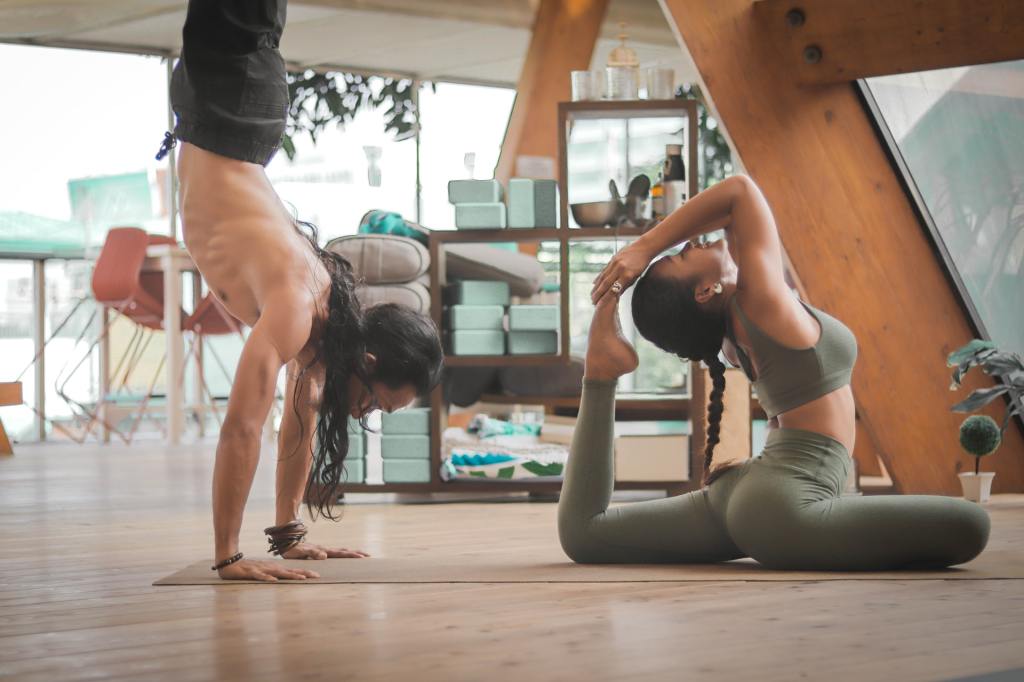
    If you couldn’t attend dance class or fitness class because these facilities were closed, TikTok fitness videos are a great alternative. They aren’t the same as complete lessons, however, because the videos are short. But you learn from health and fitness influencers who break down dance steps or show off dance routines in bite-sized bits that brighten a busy day.

    Related: TikTok Influencers that are Perfect for Learning About Careers

    You’ll be amazed by jaw-dropping dance routines or risky jumps and leaps. They’re great entertainment if you’re not athletically inclined. There are so many fascinating influencers in this space that I had a hard time choosing just one to highlight for this article.

    TikTok also has videos that teach dance moves step-by-step for familiar dances like bachata. These short and easy lessons may be more enticing for those who prefer a slower pace for a workout routine.

    These videos are a wonderful inspiration to entrepreneurs. I like to see how the videos display people’s talents and help them to grow an audience organically. I also like to learn from them. Dances and displays of physical skill (including contortion) are breathtaking to watch.

    Key Takeaways

    Whether you have a sedentary lifestyle from working remotely or you’ve gained weight from being stuck at home, you can easily spare a few minutes here or there to exercise.

    TikTok health and fitness influencers are one source for quick fitness lessons in easily consumable bits. They are also an inspiration for entrepreneurs who want to grow an audience and increase their brand awareness.

    If you enjoyed this article, subscribe to make sure you don’t miss the next post!

  • How to Create Strong Company Culture for Remote Teams

    How to Create Strong Company Culture for Remote Teams

    What comes to mind when you hear “teamwork” with your coworkers? Most likely, working in person in an office together with other people. However, these days, teamwork has taken on a new meaning for global companies with employees and contractors in multiple time zones. How do you develop a sense of community and company culture when your remote team is spread across countries?

    Technology has enabled us to work from any location we choose, whether from home, at a coffee shop, in our car, or in a rented workspace. 

    A remote company can have a physical office location, but the team only works at the office if they want to. There aren’t enough desks for everyone, even if they all decide to show up to work there. Another type of remote company doesn’t have a central office. Everyone works from home.

    These types of remote companies can develop a company culture and connection between team members because they have the following common factors.

    Strong Leadership and Clear Goals

    A positive company culture depends on strong leadership from management and a clear goal or purpose from day one.

    At one remote company where I worked, I had a phone call with my new supervisor, who set up a series of Zoom meetings for me, gave me an email address to access company files, and assigned me tasks to complete.

    I faced several challenges that first week. I had to chase down team members on the other side of the country or on another continent. When I needed to find a teammate I didn’t know, I had to figure out how to get a hold of them. Unlike a traditional office, there was no reception desk to call or a central place with all employee numbers written down.

    Unlike a traditional office, you can’t wander the halls to find someone who can help you or knock on someone’s door to ask for help. With a remote company, that email or phone number is your lifeline. Clear guidance lessens any frustration that could arise from these unexpected issues.

    My supervisor usually checked in to make sure problems could be solved or suggested how to find a solution. Having someone I could rely on to clarify things was important. Otherwise, it’s easy to start feeling isolated and alone without clarity.

    My supervisor was also a role model for company culture. When I started working with other team members on projects, I set up my tasks with them the same way my supervisor did. I also checked in with team members about projects. Clear communication is vital to a remote company.

    Responsive and Frequent Communication

    Building a successful, remote team depends on responsive and frequent communication. Having platforms, apps, and chats set up for team messages is the first step. The second is creating a culture of responsiveness.

    For one company that I worked with, communication was very infrequent. People messaged the team with reminders of team meetings or items that were due for multiple people. When anyone posted a link to a completed project or suggested an idea, one or two people responded with a thumbs up. Sometimes there would be no communication for hours or days.

    As a result, it was easy to feel detached from the company, like working on a deserted island. The infrequent messaging was like seeing a beacon of light, a frail trail of words in the darkness.

    In contrast, another remote company I worked with had multiple chats set up and used platforms such as Slack. When one person posted an idea for review, multiple people wrote in with feedback and suggestions. A social chat group was filled with lengthy banter about weekend activities, jokes about life, and friendly jokes about coworkers.

    Although I was working alone in a room, I felt like I was in an office full of people because of all the frequent communication. 

    Someone at this company had started this culture of frequent communication. New team members continued the culture. Not all the chatter was about work, although it could start with a work topic. People wanted to stay in touch.

    Getting to Know the Team on a Personal Level

    Socializing helps a team to gel. Otherwise, you have a group of people working on tasks. When you’re just a cog in a wheel, it’s much more difficult to be invested in the company. Getting to know the team on a personal level further develops company culture.

    The first step to getting to know coworkers is the jokes and quick comments about a favorite food or weekend activity during a Zoom meeting or in a team chat. It’s also important to meet with them outside of work.

    Pre-covid, meeting in person for company social events such as themed lunches, Christmas parties, or company functions was one way to get to know coworkers. It’s different talking with someone in person than watching them on a Zoom screen or reading their DMs.

    You connect better with people when you see their body language and hear their voice. Messaging apps do not capture these aspects of a person.

    Most importantly, when you don’t have meeting time limits, it’s much easier to get into deep conversations about your coworker’s hobbies and vacations. When you know more about someone on a personal level, it becomes more like working for friends than strangers who are a name and a tiny facial profile on an app.

    Now that we are highly discouraged from meeting in person, getting to know people on your remote team is harder. Harder but not impossible. I was surprised when I attended a strategy meeting, and we discussed not goals for the company, but goals for each attendee.

    It was intriguing to hear about this personal side of people I had been working with remotely. At the end of the session, we had created goals for the company’s future. I also had a clear picture of the people working on this team.

    Summary

    Creating a strong company culture for a remote team takes effort. You need leadership and clear goals for the company and individuals. Frequent and responsive communication is necessary for building connections. Most importantly, getting to know your team members on a personal level develops a sense of community.

    If you liked this post, subscribe so you don’t miss the next one!