Which aspects do you think make a person unique?

Learning Languages as an Adult

Each person is unique, especially in how they learn languages as an adult.

Kids start from scratch, like a blank document. Adults already have plenty of files stored in their brain. By the time you’re learning a new language as an adult, you might have been exposed to it in random ways—through family, movies, music, or just hearing it while growing up. So it’s not like you’re a true beginner. You already know something, even if it’s in disorganized pieces. Here’s my experience, using learning Chinese as a second language. 

First example: you might mix up the grammar of your first and second languages, and speak a Chinese sentence with English grammar. Oops. You sound like a weirdo. But you know how to swear perfectly because you hear the words in movies and spoken by friends who are fluent. 

Second example: you’re a polyglot. You’ve learned a bunch of languages at the beginner level. So you walk into a store in Montreal and all you can think of is how to say, “How much is this?” in Japanese. Or you’re in Tokyo, and you can only remember how to say a sentence in French. Or, more frustratingly still, you’re in Tokyo, and you can read the kanji, and you need help because you’re lost. But you can only remember the Chinese pronunciation (not the Japanese) of the kanji on the street signs, making you both literate but unable to communicate.

Pronunciation is another funny thing if you’re trying to learn a language that you’ve heard for years but don’t speak it often. You’re not native, but you’re also not a beginner. For example, in English, you go from “I want to learn it” to “I wanna learn it” when you’re speaking more fluently. But as a non-native speaker who’s been exposed to Chinese for years, I will say the Chinese equivalent to “I wanna learn it so bad.” I’ll say a sentence that they don’t teach you in classes – something you learn from native speakers – but my pronunciation is a tad off… not quite native, and not a beginner either. 😂

So what makes people unique isn’t just what they learn—it’s all the random, imperfect stuff they bring with them while learning.

Daily writing prompt
Which aspects do you think makes a person unique?

What’s a secret skill or ability you have or wish you had?

Imagine having a secret ability that can prepare you for the future. Not in a dramatic way, but in a practical way that makes life easier and smarter. If I could choose a hidden skill, it would be the power to see what’s coming just a little bit ahead of when it really happens.

One of the biggest benefits would be financial preparation. With the ability to predict the future, I could start saving money before things get difficult. If a recession or job loss were on the horizon, I would already be prepared. Instead of reacting to problems, I would be ready for them. (Such as the current economic situation.)

This skill would also be incredibly useful for innovation. Many successful inventions come from noticing problems just as they begin to affect people. If I could predict the future, I might recognize a growing problem before anyone else. That would give me the chance to create a solution, like developing an app that helps people solve that problem right when they start experiencing it. 

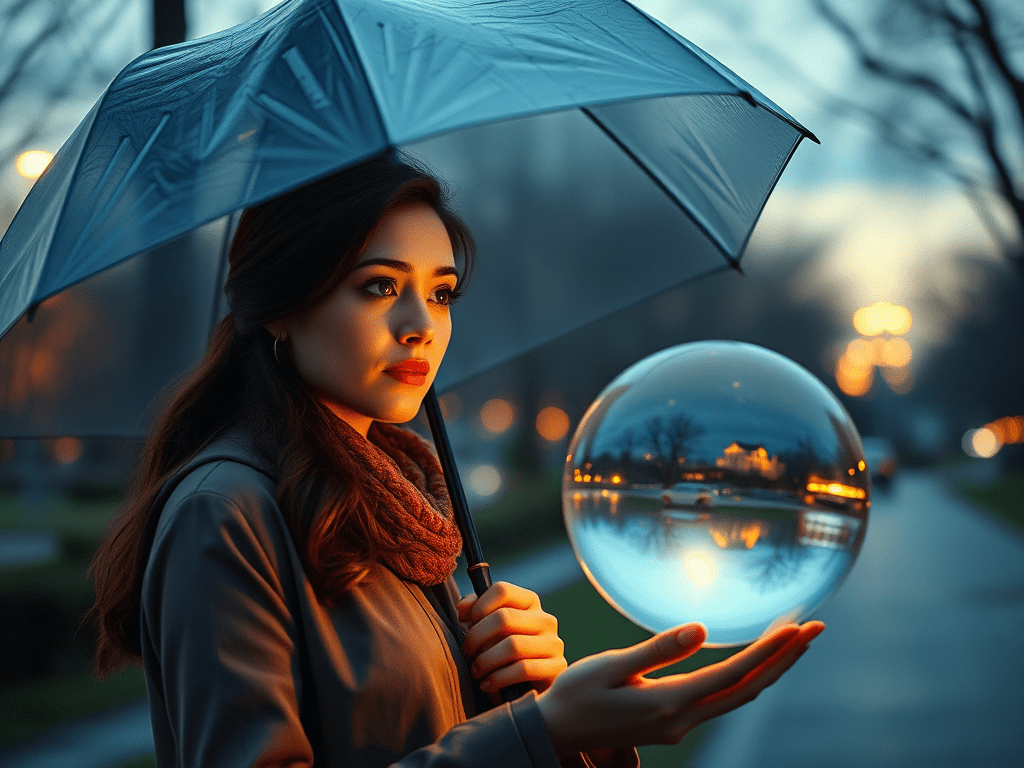
Even in everyday life, predicting the future would make things easier. Take the weather, for example. I have carried around an umbrella all day because the forecast said it might rain, but it didn’t. If I could truly predict the weather, I’d always know exactly what to bring and what to leave at home.

While predicting the future might sound like a superpower, the real value would be the ability to prepare, adapt, and make better decisions before challenges even occur.

Daily writing prompt
What’s a secret skill or ability you have or wish you had?

What is the last thing you learned?

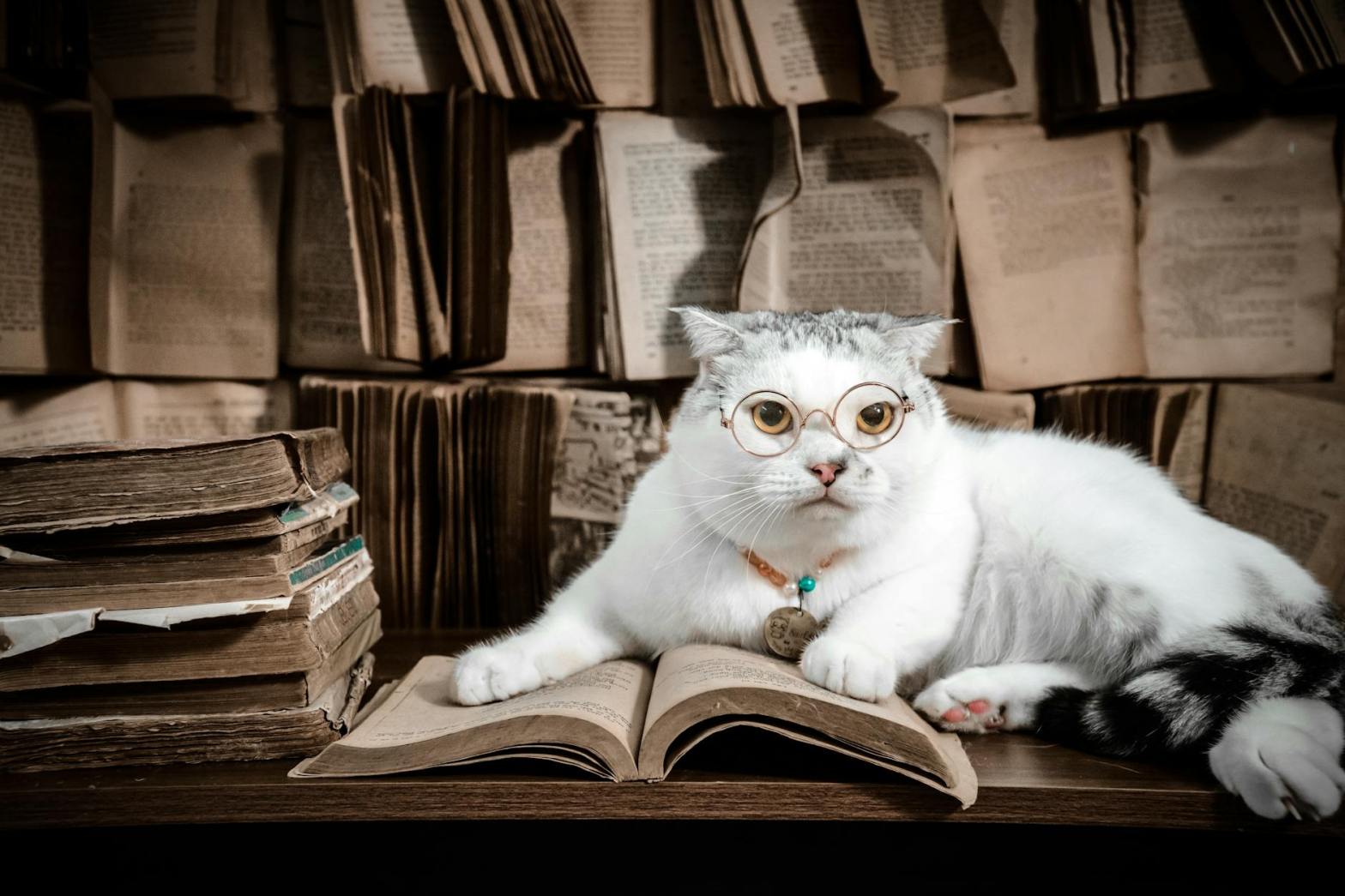
I can’t remember the last thing I learned. I learn a lot of trivial things because I’m always learning.

Learning is more than taking a course or reading a book. Sometimes it’s as simple as paying attention. When you go out, take note of things because you never know when you need them. Like when you shop, you notice what the store stocks, even if it isn’t something you buy. Later, when you have an in-town visitor, you can easily tell them where to find that specialty tea, or recommend a restaurant or store without hesitation. That tiny observation suddenly becomes useful knowledge.

I’ve also realized how much I learn from everyday scrolling. YouTube or Instagram can be surprisingly educational, even if you’re doom scrolling. Maybe you come across interesting facts about space, history, or even the origin of a slang expression in English. 

The same thing happens when watching a movie. When the movie ends, satisfy your curiosity and look up random things. How accurate was the movie? Was that character really that mean? Should you watch Part 2?  Do those animals really exist? You can spend hours going down a rabbit hole in your research. 

Even weird, random facts count. Learning how to store your food properly in your fridge or pantry might save money and reduce waste. That’s practical intelligence.

Learn a little at a time, then in the long run, you learn a lot. Knowledge compounds. Stay curious. Pay attention. Small lessons today become surprising wisdom tomorrow.

Daily writing prompt
What is the last thing you learned?

The most important invention in my lifetime is the smartphone

The most important invention in my lifetime is the smartphone because it is a true space-saver and an all-in-one tool. Just think of all the things you used to carry around just to do the tasks that the smartphone now offers you: camera, calculator, planner/agenda book, map, etc. (Especially if you had to fit all that in a purse or backpack!) Daily life has become simpler and more efficient.  

Before smartphones, people needed separate items for each task. Cameras were bulky, paper maps took up space and quickly became outdated, notebooks were needed for ideas (and useless if you forgot your pen), and planners kept track of appointments. Now, all of these functions exist in one device. Online searches allow instant access to information anywhere, and notes can be typed on the go.

The smartphone camera is especially versatile. It can be used to take photos, scan QR codes as digital business cards, and even act as a magnifying glass to read small text. This makes it useful in both professional and everyday situations. In addition, built-in timers and alarms help with simple tasks, such as knowing when food is finished cooking and when to watch your TV show!

Overall, the smartphone saves physical space, time, and effort. By combining so many essential tools into one compact device, it has changed how we organize our lives, communicate, and access information, making it one of the most important inventions of our time.

Daily writing prompt
The most important invention in your lifetime is…

Do You Spend More Time Thinking About the Future or the Past?

Whether we think more about the past or the future depends on what’s happening in our lives at the time. Reconnecting with an old relative earlier this year made me nostalgic. Also, becoming very ill made me reflective because I realized how fragile life is.

Seeing an old friend or relative that you haven’t seen in years is a perfect example. Conversations can unlock years of shared history—inside jokes, old routines, moments you didn’t realize would become “the good old days.” You also become aware of lost time when you notice how much older you both look. You start thinking about how long it’s been, how life got busy, how easy it was to assume there would always be more chances. That reflection, of course, gets you thinking that you’d better be more proactive with staying in touch, or finding a chance to visit each other again. Because maybe next time there won’t be a next time.

Illness has a similar effect. Being sick forces you to slow down, and then you realize how much of your daily routine you miss. You can’t eat your favorite food. You missed the party you had been planning to attend for weeks. At the same time, it makes the future more precious. You start making mental notes to eat better, not to wait so long before you visit your friend, and not to postpone visiting your grandparents.

In moments like these, the past and future collide. The past reminds us of what mattered. The future becomes a space for second chances and better choices.

Ultimately, when we think about the past, we realize what we value; when we think about the future, we realize what’s important.

Daily writing prompt
Do you spend more time thinking about the future or the past? Why?