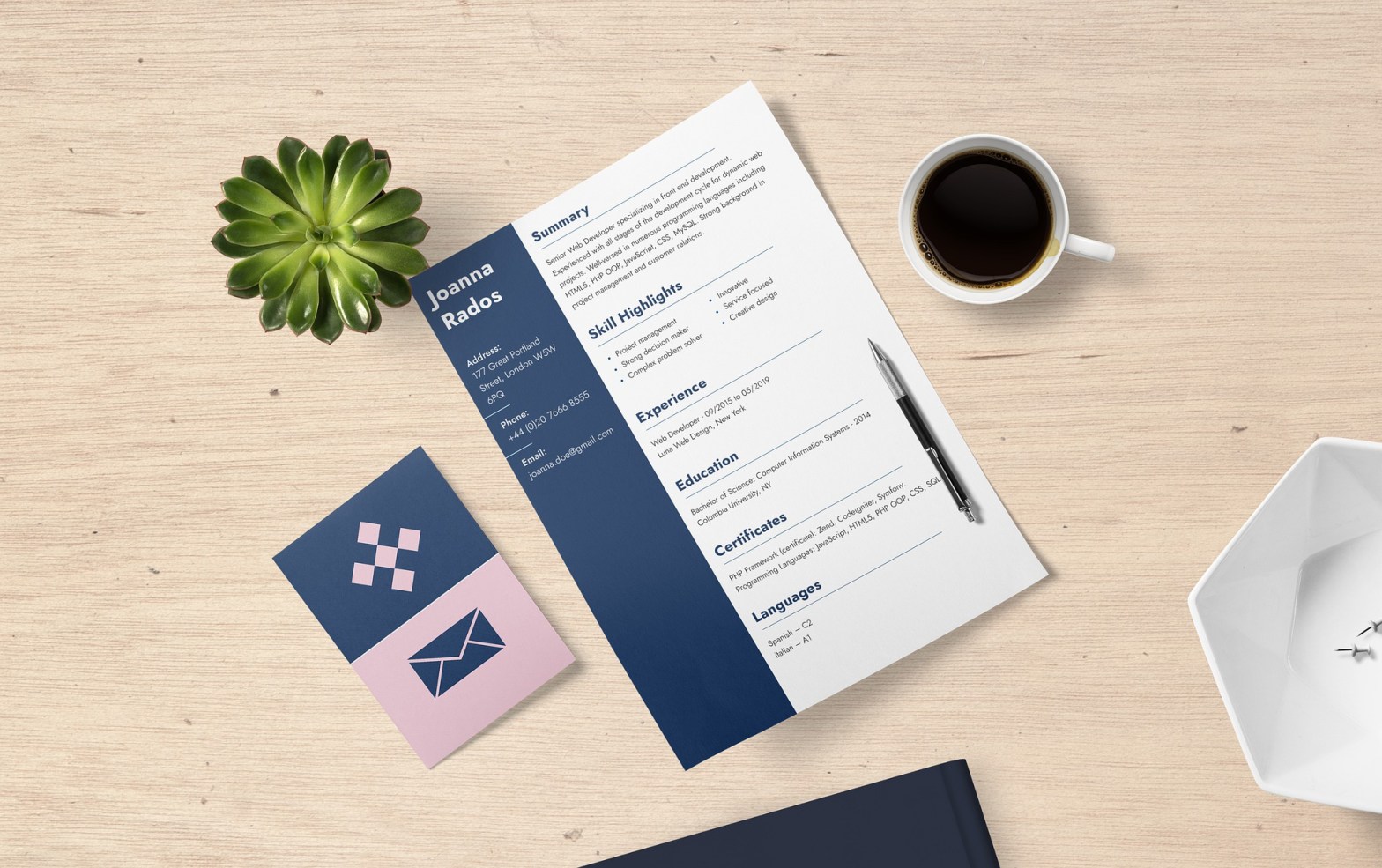
(11 Tips for Resume Writing)
It is crushing when we put in a great deal of time and effort in our resume, but we don’t get an interview or any acknowledgment it reached the intended recipient. We craft the resume, hoping that the potential employer will see the skills and value we will bring to the company.
With all the effort you put in, you might be wondering if resumes are still relevant in today’s job market. The quick answer is yes, and we’ll give you ample reasons as we cover how to write a resume that gets you the desired job.
Resume writing requires its own set of skills. Resume writing, like fashion, has trends that you need to be aware of if you want to be successful, whether you are actively looking for work or just curious about what’s out there.
You can increase your chances that your resume will be selected by hiring a resume writer. According to a quick online search, you can expect to pay $100 to $1000 for the service. If you’re seeking a corporate or high-paying job, the expense could be worth it. But if you’re on a budget, you may want to update your resume based on some tips from this article.
Here are 11 tips on how to write an effective resume and some resume trends to keep your eye on during your job search.
Resume Trends: What’s In, What’s Out
Resume writing has changed over time because of technology and other reasons, such as our views on what we consider discriminatory.
Only a few decades ago, when we still mailed our resumes, we could resort to gimmicks such as selecting a color and style of paper that made our resumes stand out. (Think of the remarkable pink resume in Legally Blond.)
Access to word processing programs and email have made it easier to design good-quality resumes that we can send to potential employers. In some countries, including your photo could get your resume thrown out for fear of discrimination based on your appearance.
Despite the changes in trends, resumes are here to stay and are a bare basics summary of your work experience and work-related training. Here are some tips to follow writing an up-to-date resume.
Tip 1: Check the content of your resume is up to date for today’s trends
- Use keywords that make the content searchable by resume AI
- Only include the most recent ten years of experience, no more
- Don’t say “References Available Upon Request”
Tip 2: Follow the trends in the industry and country where you seek employment
- For some jobs, personalized logos, colorful palettes, and eye-catching designs are the key to getting hired (such as marketing jobs and design jobs), while less colorful designs are preferred in other industries
- Some countries expect personal information on a resume (such as gender, nationality, and a photo), while others require less personal information (such as general location, mobile number, and no photo)
Tip 3: Follow general design trends
- Lots of white space to keep the page easy on the eyes
- Use action verbs to describe what you accomplished
Resume trends will continue to evolve over time, so whenever you need to update your resume, first, do your research.
Resume Searchability and ATS
Technology has greatly influenced the structure of resumes. Some companies use an ATS (Applicant Tracking System) to comb through the contents of your resume. In some cases, you could be qualified for the job, but your resume could be rejected before reaching human eyes.
The type of file you use, the formatting, and the keywords all affect the readability of your resume with this AI system. For this reason, you could preserve your resume’s appearance using a PDF file, but you should also consider a format that makes it AI friendly. If possible, you may want to upload both a PDF and an ATS compatible resume. Some additional tips:
Tip 1: Use standard text and formatting
- Your text is easier to read if you use a Word or plain text file
- Simple, round bullet points are easy to read
- Standard headings such as Work History and Work Experience
- Formatting such as tables, graphics, headers, and footers should be avoided. Putting your contact information in a header, for example, will make the information hard to read.
Tip 2: Optimize your content using keywords
- Job titles and hard skills that match the job description increase the chances that your resume will be selected
- Refer to your skills several times throughout your resume. The ATS determines your total years of experience at a skill by how you mention it in your resume. For example, if you worked as a social media manager at a company for three years, then you have three years of social media experience.
In addition to these tech-savvy considerations, the content of your resume affects your chances of getting hired.
Resume Content that Showcases Your Skills
Resume writing, like many things in life, goes through different trends. Over time, the objective of writing a resume has stayed the same: to summarize your work experience for a prospective employer. Employers want to find candidates with well-written resumes who are also effective on the job so employers get the best ROI.
Following resume writing conventions can increase your chances of getting hired. Start by catering each resume to each job you apply for. Use the same keywords that appear in the job ad. List your key accomplishments for each job.
A one-page resume will suffice if you are applying for an entry-level position or have five or fewer years of experience. If you have ten or more years of related work experience, a two-page resume listing your most recent ten years (or less) of experience is appropriate.
Avoid outdated content such as an Objective section at the top of your resume, listing your references, or writing “References Available Upon Request.” If your references are needed, someone will ask you for them.
The opinion on cover letters is divided. Some recruiters and employers don’t read them. Others read them to get a better sense of the candidate. Some employees have gotten jobs without writing cover letters. The safest advice is to write a cover letter, just in case someone involved in the hiring process does decide to read it.
To summarize:
Tip 1: Include the necessary content in your resume
- Contact information
- Professional experience
- Skills and qualifications
- Education
- Content relevant to the job description
Tip 2: Check trends on what to include in your resume content
- Some sections are now outdated, such as Objectives
- Highlighting your soft skills has become more commonplace after the pandemic
- Focus on metrics and specific statistics when highlighting your accomplishments instead of describing your responsibilities
- List your jobs in reverse chronological order
Applying for a job involves more than writing a resume during this digital age. You must also review your online presence and do a quick check in the mirror, so to speak. How do you appear to people who look you up online?
Social Media and Job Searching
The internet changed the job search process. Previously, all the prospective employer knew about you was what you wrote on your resume, which you printed on paper and mailed in an envelope.
Now, you save on postage, but your resume cannot exist only on paper. In addition to the resume you emailed, your prospective employer expects to find you online. They may ask for a link to your LinkedIn profile.
They will also search for any and all information about you. Does your LinkedIn profile include a portfolio of your work? Have you written any articles? Posted any videos? If you have a publicly accessible Facebook profile, what does it say about you?
The rare job ad may even request that you send a video of yourself as part of your application.
Having a social media presence is expected, especially for some jobs, such as marketing, social media, or graphic design.
Focus on these tips when working on your online presence:
Tip 1: Have a professional profile on social media
- Update your LinkedIn profile to match the content on your resume
- Check that your Facebook, Instagram, TikTok, and other social media accounts are not publically accessible or have publicly accessible content that will aid, not harm, your job search
- Build a portfolio online with samples of your work, such as an article if you’re a writer, or a graphic design project if you’re a graphic designer
Tip 2: Set up your professional profiles to make yourself searchable
- LinkedIn has features to help recruiters find you, so use those settings
- Use keywords in your current or past job titles
- Create a portfolio with samples of your work
After you have checked your online presence, the next step is to increase your chances of being hired by building connections. The adage, “It’s not what you know, it’s who you know, ” has real implications.
Networking: It’s Not What You Know, It’s Who
Many people have commented in job hunting social media posts that they apply to hundreds of jobs without getting a single response. A single job posting on Indeed or LinkedIn can result in hundreds of applicants.
Even if you’re the best candidate and the best fit for an organization, it is difficult to stand out in a crowd. Especially with ATS, your resume may blend in with all the other applications like it has acquired camouflage. That’s disappointing.
It isn’t enough to just apply for jobs if you’re a serious job searcher. You need to build a network of connections. Even if you have a job, you benefit from connections.
Tip 1: Connect with others on social media
- Create an updated, professional profile on LinkedIn
- Connect with others in your industry and create relationships with them by getting to know what they do and how you can help each other
Tip 2: Attend networking events
- Attend online or in-person networking events with people in your industry. Follow up by staying in touch with them on social media
- Take classes related to your job and create connections
When you build connections with people in your industry, you increase your chances of getting hired if someone in your network has a job opening, or you apply for a job at a company where your connection works.
Key Takeaways
Resumes are still relevant in today’s job market, although resume formatting and content have changed. As technology evolves, the importance of a resume changes as well. A job application involves more than crafting a well-written resume. These days, a professional online presence and networking are equally important to your job search. It’s unknown what will happen to the resume in fifty years’ time. But for now, the resume is the most concise summary to get us in the door for most jobs.
If you liked this post, subscribe so you don’t miss the next one!


 Vanya Wryter Consulting Services