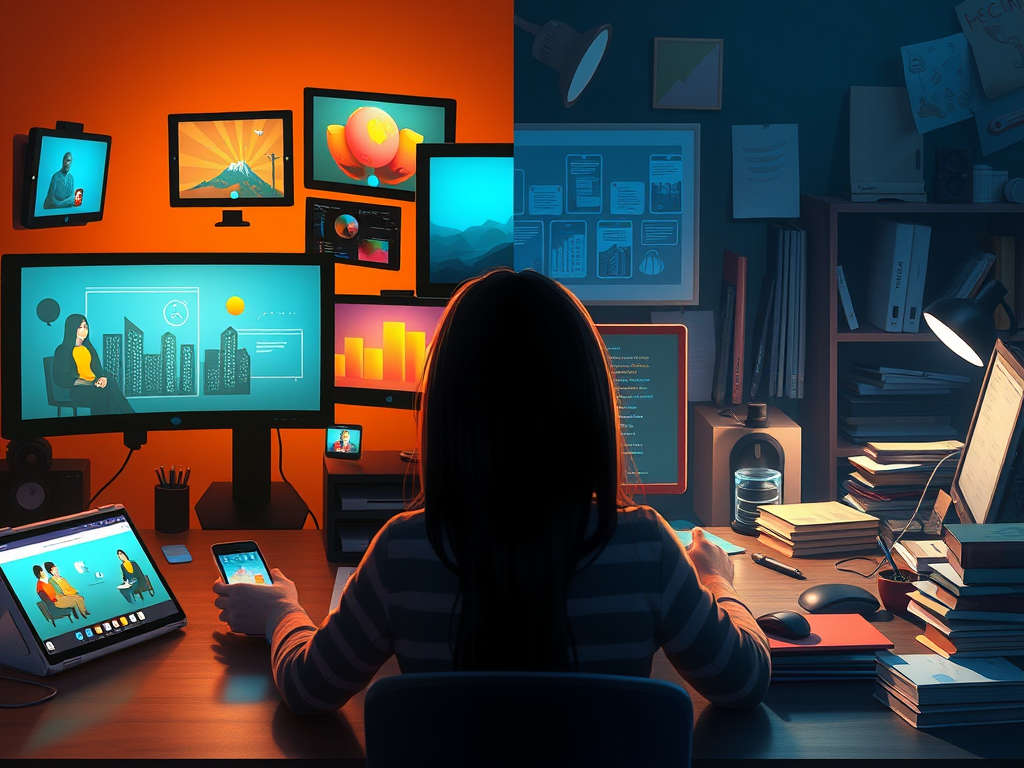
4 Reasons Remote Work Is Challenging

Remote work, also called work from home (WFH), has been around since office workers had the technology to do their tasks from anywhere with an internet connection. It’s become more common now to have in-office, hybrid (a mix of in-office and remote work), and remote options for some companies. 

The perks of remote work are numerous, but the lifestyle isn’t for everyone. The main difference is that WFH easily blurs the lines between work and home life. It’s easy to check work email after you finish a late dinner or throw a load of clothes in the laundry before a meeting starts.

Remote work also comes with its unique challenges. If you haven’t tried working from home yet, consider these four challenges before you start. If you work from home, what do you think about these challenges with the lifestyle?

Lack of in-person interaction

Remote work is perfect for those who love to work without interruption. You can avoid water cooler conversations with coworkers (although you might have them with those you live with). You can work in peace and get what you need done on time. The time you save from your commute is spent on other tasks, instead of sitting in transportation.

For those who love socializing, you will miss having lunch with a co-worker. You’ll miss the conversations you have whenever you collaborate with a team. You’ll have virtual team meetings, but you must stick to the topic and finish on time before people leave for other meetings.  

People who are just starting in their careers will find the lack of in-person interaction difficult. You cannot casually walk up to someone to ask for help. You cannot sit with coworkers who have similar jobs during lunch and pick up career tips. To get the support you need, you’ll either send messages to a coworker or schedule a meeting.

No division between home and work

Working from home is quite literally working from your home. It may be difficult to draw a distinct line between your home life and work life. A home office with a door can create a physical separation between your two lives, but if your desk is in your living space, such as your kitchen, that distinction is harder to make.

You may be expected to check your work emails first thing in the morning, as well as last thing in the evening. Remote companies with staff that live across the country function best when people are more flexible about when they work and when they check messages. You may need to be more adamant about your office hours and when you check messages if you want set hours away from work.

Work may also feel more intrusive because your coworkers have a window into your personal life when you have a virtual meeting. They can see one wall of your home office, and they can hear family in the background. (Although one time a coworker reached into the wall of the virtual background and produced a takeout order delivery.)

Living where you work has its perks. You don’t have to spend time packing your lunch the night before. No need to figure out what food is good to transport in your lunch bag and convenient to eat in the office. 

During coffee and lunch breaks, you can be more productive: you can throw a load of dishes in the dishwasher, take out the trash, or pay a phone bill. Best of all, if you have a flexible schedule and if you’re drowsy, it’s easy to take a comfortable nap.

Lack of support OR too much micromanagement

When you don’t see your boss on a daily basis, it can be difficult to get the kind of support that you need. Your boss may not be aware that you’re struggling with something at work, or affected by something in your personal life. Unless you speak up, they can’t tell that you’re struggling. If you work in an office, your boss and coworkers see you regularly and are better able to notice if you lack your usual energy. Similarly, if you work in an office, you have a better sense of whether your coworkers are experiencing challenges. For example, if you’re both dealing with unsupportive management, you can support each other. But if you work remotely, you are like an island to yourself. You may not know if a coworker is facing a similar issue as you are.

Some companies don’t trust their remote workers to do their jobs and set up systems to monitor them. For example, using a camera to check if their worker is at their desk, or tracking mouse clicks to monitor productivity. The issue, of course, is if your job requires you to be creative, do some research, or brainstorm before you start writing. You could be productively thinking away, but your mouse isn’t moving and you’re just staring into space. It may look like you’re not working even though you are.

Constant need to learn tech skills

As a remote worker, you’ll encounter tech issues with internet availability, virtual meeting microphone or camera issues, or security access issues with your computer. Some remote companies require you to learn how to use AI programs or collaboration tools. 

Without someone from the company’s IT department to save you, you’ll need to resort to your own resourcefulness to fix tech issues or learn new tech by watching videos. An IT person won’t show up to provide advice over your shoulder. 

Key Takeaways

Does working from home appeal to you? Those who prefer it love the flexible work hours, the short commute, and the relaxed dress code. Those who dislike it hate the isolation, the lack of support, and the blending of home and work life. However, with today’s technology, remote work will continue to be an option in the workplace.

If you enjoyed this article, subscribe to make sure you don’t miss the next post!

5 Everyday Objects That Bring Me Happiness  

Daily writing prompt
What are 5 everyday things that bring you happiness?

Sometimes, happiness is found in the little things that are part of everyday life. Of course, there are the special people (family and friends) who bring me smiles, but there are also everyday things that brighten my day as well. Here are five that stand out:

1. My Computer

My computer is like my lifeline. It’s where I write my stories, my blogs, and all of my creative ideas. I need it to enhance my brain power: I learn so much from watching videos or doing research on all kinds of topics. Most importantly, as a remote worker, I need my computer to earn an income. I can’t imagine a life without this valuable piece of technology.

2. Water (and Tea!)

Water is the key to my survival. I like it a lot as a drink, and when I add a tea bag to it, it becomes my caffeine to wake me up in the morning. I also enjoy tea with a snack, when I need a break from work, or when I need a quiet moment on the weekend. Water and tea are like vitamins to me.

3. My Bed

My bed is more than just a place to sleep. It’s my retreat—a spot to rest, reflect, and even brainstorm new ideas. (You probably saw that coming since I like writing so much and creative people need creative spaces.) Some of my most imaginative thoughts have come to me just before falling asleep or while I’m lying in bed in the morning. It’s a personal space where my mind can wander freely, before thinking about the distractions of the day.

4. My Phone

My phone keeps me connected to those who are important to me. Whether I’m making plans, sharing a funny picture, or just sending a quick message, it’s how I stay close to friends and family between in-person visits. It’s also how I stay connected to the world through news, music, social media, and random trivia. It’s a connection to everything happening around me.

5. Music

Music influences mood. It helps me stay focused while working or set the tone for a cozy evening at home. When I need a little boost, I turn on something upbeat. When I’m brainstorming or deep into writing, I have a playlist to match that energy. It’s amazing how a song can completely change the atmosphere of the moment.

We all have objects we use every day, but it’s amazing that they can contribute to our happiness. These five things are a part of my daily life—and they make everything a little bit better.

What everyday things bring you joy?

Workplace Burnout: How I Survived and How You Can Too

Workplace burnout can happen in any work situation. For me, burnout can happen too easily if you work from home. Your boss doesn’t see you regularly, so they don’t understand how you’re feeling. It’s easy to put on a smile for a one-hour meeting. It’s harder to hide your exhaustion if your coworkers see you throughout the day. They don’t know you’re overloaded with work and you’re logged into your work computer, morning, afternoon, and night. And unless you speak up, you can face mental and physical health issues. So how can you recover from workplace burnout? First, let’s tackle the ugly causes of burnout.

What Causes Workplace Burnout?

Burnout is often caused by chronic stress in the workplace. Some common causes include excessive workloads, lack of control over tasks, unclear job expectations, and a poor work-life balance. Additionally, an unsupportive work culture and lack of recognition can cause frustration.

Signs You Might Be Experiencing Burnout

It’s important to recognize the early signs of burnout before it takes a toll on your health. Some key indicators include:

  • Constant fatigue and lack of energy
  • Decreased motivation and job satisfaction
  • Increased irritability or emotional detachment
  • Difficulty concentrating and declining performance
  • Frequent headaches, muscle pain, or other stress-related ailments
  • Waking up and wishing you worked anywhere else but at your job
  • Surfing the net on your phone because you can’t focus/hate doing your work tasks

How to Prevent and Manage Burnout

Burnout can be prevented and managed with proactive steps:

  1. Set Boundaries – Establish clear work-life boundaries, such as setting specific work hours and unplugging from emails after work.
  2. Prioritize Self-Care – Exercise regularly, get enough sleep, and practice mindfulness techniques to reduce stress. Do something fun and enjoyable to get your mind off the stress. (I ate a lot of my favorite food.)
  3. Communicate with Your Employer – Start a conversation with your manager about expectations and possible adjustments. (It takes courage, but I did it.)
  4. Seek Support – Talk to colleagues, mentors, or a mental health professional for guidance and emotional support.

Recognizing and addressing burnout can lead to a healthier, more fulfilling work experience. If a job is just a paycheck and source of stress, then it’s time to set boundaries and change your work situation!

Pets That Will Improve Your Life

Daily writing prompt
What animals make the best/worst pets?

The question I’d love to answer is what animals would make great pets. I’ve been following some animals on social media, and they have taught me a lot about what pets can do for their owners. Here are just some pets that enrich our lives. 

1. Livestock Guardian Dogs That Protect


Livestock guardian dogs are excellent protectors. The YouTube channel Raventree Ranch showcases how dogs like Bo, Lily, and Judge protect livestock—including chickens, sheep, goats, and alpacas—from predators like coyotes. These dogs work as a team alongside Recon Cat and the border collies, coordinating their efforts to ensure that the animals are never left unprotected, even at night. What’s fascinating is that their teamwork and vigilance happen without human intervention.

2. Parrots as Spies

Parrots are talkative companions, which means they can also be informants. Their ability to mimic voices and repeat conversations is remarkable in many ways. In one case, a parrot exposed a cheating spouse by repeating a conversation between the husband and his mistress. In another instance, a man discovered his girlfriend’s infidelity through his pet parrot. Perhaps most intriguing is the case where a parrot may have repeated a conversation from the night a murder took place—raising questions about whether it could be considered a witness.

3. Ocean Creatures that Teach Valuable Lessons

If you’ve been following social media, you may be familiar with Leon the Lobster and Howie the Crab (see spoiler below*). Leon’s owner posts videos about his observations of lobster behavior. Howie’s owner/mom posts videos about what crabs eat, likes and dislikes, and crab behavior. These videos make you appreciate sea creatures as pets with feelings. 

Screen Time: Pros, Cons, and Finding Balance

Screens are now a part of our daily lives, from TVs to smartphones to computers. While they offer incredible benefits, too much screen time can lead to challenges we can’t ignore. Striking a healthy balance is essential to make the most of what screens offer while minimizing their drawbacks.

The Benefits of Screen Time

  1. Unlimited Access to Information
    Screens provide a world of knowledge at our fingertips. From researching restaurant options to finding directions to learning unusual facts, they make it easy to learn new things, whether for school, work, or personal interests.
  2. Connecting with Others
    Technology bridges distances, helping us stay in touch with family, friends, and colleagues. Whether through video calls, messaging apps, or social media, screens help maintain relationships, no matter how far apart we are.
  3. Educational Opportunities
    E-learning platforms and apps make education more accessible and interactive. People with busy schedules can take courses at a time that’s convenient for them.
  4. Entertainment Options
    These days, a night at the movie theatre can be expensive when you factor in tickets, snacks, and drinks. Streaming a movie for a relaxing night at home can save money and travel time.

The Challenges of Screen Time

  1. Physical Health Concerns
    Spending long hours in front of a screen can lead to eye strain, headaches, and poor posture. Not to mention the hazards of falling asleep so that your smartphone falls on your face. Over time, too much screen time can impact overall health, especially when combined with a sedentary lifestyle.
  2. Mental Health Impacts
    Excessive screen time, especially on social media, can contribute to stress, anxiety, and feelings of inadequacy. The constant notifications and information overload can make it difficult to unplug and recharge.
  3. Disrupted Sleep
    Blue light from screens can interfere with the body’s natural sleep cycle, making it harder to fall asleep and stay rested. Late-night scrolling or streaming often leads to poor sleep quality.
  4. Reduced Real-World Interaction
    Heavy reliance on screens for communication can sometimes take away from face-to-face connections and meaningful interactions in the real world.

Finding the Right Balance

To get the best of both worlds, it’s important to regulate screen time. Set boundaries, like limiting screen use before bed or designating device-free zones at home. Include offline activities, such as exercise, reading books, or spending quality time with loved ones. Using tools like screen time trackers can also help build healthier habits.

By finding a balance, we can enjoy its benefits while protecting our well-being.