How has technology changed your job?

Daily writing prompt
How has technology changed your job?

Technology has changed the way I work, giving me more flexibility, and saving me valuable time and energy.

Technology has made it possible to do an office job by working from home. When I work remotely, I am more focused. Without the distractions of side conversations or office noise, I can concentrate better on my work. Having flexible hours makes my days less stressful. If I’m tired, I sleep in and work later, for example. I also get to wear comfortable clothes and walk around the office in socks or slippers.

Collaboration on projects with individuals in different time zones has also become much easier. Tools like Slack, Google Drive, and project management software allow for quick communication and file sharing, reducing the need to meet in person. This means work can continue around the clock as team members contribute at different hours.

Another major advantage is the elimination of a lengthy commute and dealing with traffic jams. Travel time is now used for more useful things, like finishing work earlier, doing some housework, and running errands.

Technology has also allowed me to make better use of breaks. Instead of being stuck in an office breakroom, killing time until I go back to my desk, I can spend fifteen minutes quickly completing some chores so I don’t need to do them later. This flexibility has greatly improved my work-life balance.

Another great benefit is not having to worry about the weather. No more stressful drives through heavy rain or snow! I can avoid the hazards of bad weather and go out when the weather is better.

Lastly, technology has made me more aware of online safety. Part of my job now includes being aware of cybersecurity and data protection. I take extra precautions to safeguard company files. It’s no longer sufficient to just show up at the office, turn on the computer, and type away.

Overall, technology has significantly improved my work life, making it more efficient, comfortable, and globally connected.


Is AI Killing Creativity or Expanding It?

Artificial Intelligence (AI) is becoming a part of every aspect of our lives—from writing and art to music and filmmaking. I’ve seen framed, AI-generated pictures at a local coffee shop, chatbots that can craft entire stories, and videos created by inputting ideas. But this rapid advancement brings up an important question: is AI enhancing creativity or killing it?

Some argue that AI is a tool, just like a paintbrush or a camera. It can help artists brainstorm ideas, automate tedious tasks, and create work that they need assistance with. AI-powered design software, for example, allows creators to explore variations of a concept within seconds, helping them refine their vision faster than before. Talented storytellers with limited budgets can use AI to illustrate their tales for them so they aren’t limited to words on a page.

On the flip side, critics argue that AI-generated content leads to generic, soulless creations. AI steals from the original artists without giving them credit. For example, it creates a painting in the style of an artist and calls it AI art. People who want to make money but cannot write search for ways to use AI to quickly and cheaply write stories for them. However, will true artistry be devalued if people consume AI-generated content without appreciating the effort that traditionally goes into the creative process? Some fear that creative jobs could disappear altogether as businesses turn to AI for cheap, efficient content production.

But history has shown that technological advancements don’t eliminate creativity—they shift it. Photography didn’t kill painting, and word processing didn’t end story writing. Instead, they expanded the ways people can create and express themselves. Perhaps AI is just the next evolution, challenging humans to redefine what creativity means.

What do you think? Is AI a powerful ally for artists, or is it taking the soul out of creativity?  

Full Moon Madness – Time to Act Naughty

From March 13 to 14, the lunar eclipse made the news. The sun, Earth, and moon aligned, and the Earth cast a shadow on the moon, causing it to have a reddish hue. This event is sometimes called the “blood moon.”

On eclipse nights, some people claim to have insomnia or restlessness because the gravitational pull affects circadian rhythms.

Certain myths also abound during eclipses, such as the fear that it is unsafe to go out during an eclipse. Or the belief that food and water left out during an eclipse is unsafe to eat.

For me, the lunar eclipse was the perfect reason to stay up late so I could view such a rare occurrence. Of course, it was a school night, so it sure felt naughty to be awake when I should have been in bed! However, the reward was the priceless sight of a blood moon.

image credit: D_Van_Rensburg

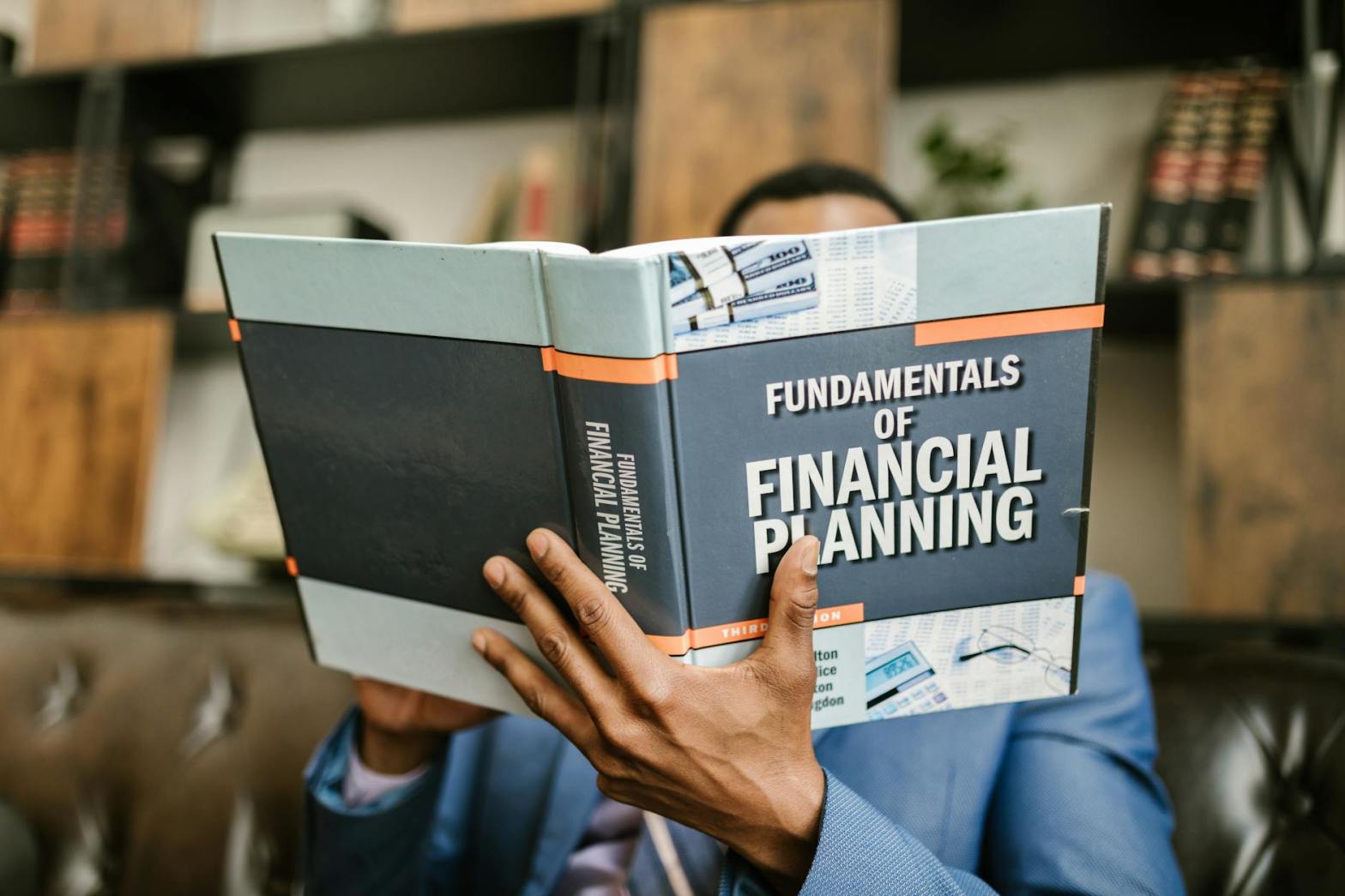
Why Learn Financial Literacy From a Young Age

In today’s unpredictable economy, financial literacy is more important than ever. Housing costs consist of a much bigger portion of our income than it did two generations ago. Yet, many young people graduate high school without understanding how to budget, invest, or manage debt. Even if students haven’t started their first job or applied for their first credit card, learning financial literacy early can set them up for lifelong success.

Financial Literacy Prepares Young People for Real Life

Schools teach math, science, and history, but they often overlook one of the most crucial subjects: money management. Understanding how to budget, save, and invest should be a fundamental part of education. Without these skills, young adults enter the workforce unprepared to handle their finances, leading to unnecessary debt and financial stress.

If students learned about topics like interest, credit scores, responsible spending habits, and investment options, they would be better equipped to make informed financial decisions. This foundation would help prevent impulsive spending habits, which can have long-term consequences. Even if they don’t plan to invest, learning about investment options such as real estate, bitcoin, and stocks helps them avoid possible scams. They should also learn debt management, such as paying off credit cards, loans, and mortgages. 

A Job Alone Is No Longer Enough

Schools teach that the natural path in life is school, then a job, then financial stability. While having a steady income is important, today’s economy is more unpredictable than ever. Layoffs, automation, and economic downturns can make job security uncertain. Relying on a single income source can leave people vulnerable to financial hardships.

This is why financial literacy should go beyond just budgeting and saving—it should also emphasize multiple streams of income. Schools should teach students about side hustles, investments, and ways to upskill without going back to school to provide financial security outside of traditional employment.

Side Hustles and Alternative Career Paths Should Be Encouraged

The traditional college route is no longer the only path to success. While higher education can be beneficial, it’s not the right choice for everyone. Many students would benefit from learning about trades, entrepreneurship, and freelancing as viable career options.

Side hustles—such as finding a job and then finding your own clients for the work you do (such as graphic design) are an option. Starting a side business, such as reselling products, allow individuals to generate additional income. Likewise, trade careers in plumbing, electrical work, and construction offer high-paying opportunities. Schools should educate students on these options to help them make informed career choices.

Key Takeaways

Financial literacy should be taught at an early age. It provides students with the tools needed to navigate today’s economy, build wealth, and create financial security. Learning financial literacy prepares students for real-world financial challenges, ensuring they have the knowledge and skills needed to succeed in any economic climate.

Strategies To Help You Cope With Negative Feelings

Daily writing prompt
What strategies do you use to cope with negative feelings?

Negative feelings are a natural part of life, but managing them can make all the difference in our mental and emotional well-being. We need to make a conscious effort and employ the right strategies to prevent them from overwhelming us. Here are some unconventional yet effective ways to deal with negativity.

1. Write a Letter You’ll Never Send

Sometimes, we bottle up emotions because we feel unsafe expressing them. Writing a letter to someone (or even to yourself) without intending to send it can be a therapeutic way to release frustration, disappointment, or sadness. This process provides emotional clarity without the fear of judgment.

2. Engage in Safe Destruction

Find a safe, non-harmful way to release pent-up frustration. This could be throwing rocks in the water, smashing a piece of junk you planned to throw out anyway, or popping balloons. The physical release can be surprisingly satisfying and help channel emotions productively.

3. Try Music or Singing

Music has a profound impact on our emotions. Channeling your emotions into music or singing can change your mood, particularly if it’s loud music or angry song lyrics. These activities can release tension, change your focus, and instantly improve mood.

4. Have a “Worst-Case Scenario” Brainstorming Session

Instead of suppressing worries or replaying negative thoughts over and over, fully explore the worst-case scenario in a structured way. Write down what could go wrong, how you would handle it, and the most likely outcome. This method helps put things into perspective and often reduces anxiety.

5. Create a “Letting Go” Ritual

Develop a personal ritual that symbolizes releasing negative emotions. This could be writing worries on a piece of paper and setting the paper on fire (in a safe place) or taking a symbolic shower to “wash away” stress. Associating emotions with actions can make it easier to move on.

6. Make Small Changes to Your Environment

Our surroundings can influence our emotions. Instead of a drastic change, make a small shift—rearrange your furniture, remove objects you associate with bad memories, or change your routine by going to a different room. These subtle changes can refresh your mindset and break negative thought patterns.

By incorporating these unique strategies, you can find creative and effective ways to manage negative feelings while maintaining a healthy emotional balance.

Thanks for reading!