5 Favorite Fruits: From Tech Logos to Love Symbols

Daily writing prompt
List your top 5 favorite fruits.

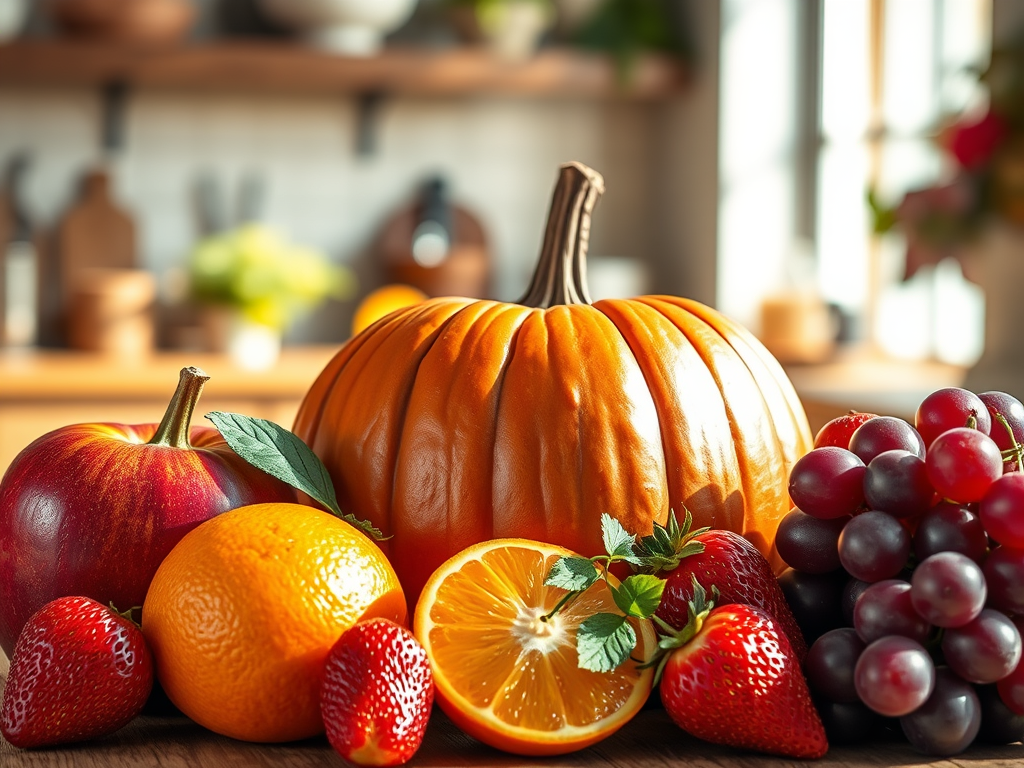
We eat them, decorate with them, and even build billion-dollar brands around them. Fruits aren’t just food—they’re cultural symbols woven into marketing, tech, holidays, and everyday life. Here are my top five favorite fruits, not just because they’re delicious, but because each has a story far beyond the produce aisle. Enjoy!

🍎 1. Apple – The Icon of Knowledge and Innovation

When I think of the meaning of apples, I picture the iconic red apple on the teacher’s desk; the apple has long been a symbol of knowledge. In modern life, we instantly think of Apple Inc., the tech giant whose iconic Apple logo represents creativity, simplicity, and innovation. Many of my friends have iPhones and Apple computers! It’s amazing how this one fruit stands at the intersection of technology and symbolism, all while being crispy, sweet, and perfect for a midday snack. (And I’m having one now! Am I smarter? I’ll let you know in a bit.)

🎃 2. Pumpkin – The Ultimate Seasonal Brand

Pumpkins and Halloween are basically inseparable. A jack-o’-lantern instantly signals that October is here, and the popularity of the pumpkin spice latte is vital for seasonal marketing. (Imagine the fall season without seeing ads for pumpkin spice lattes or pies!) Whether in pies, porch decor, or spooky events, pumpkins are synonymous with autumn culture. We can’t consider holiday branding without it.

🍊 3. Orange – A Global Symbol of Fortune and Warmth

Nothing brightens a cold winter day like a juicy orange. In Chinese and Japanese cultures, oranges are considered lucky, often gifted to bring good fortune and prosperity at the New Year. In North America, oranges are abundant around Christmas, bringing a dose of sunshine when we need it most. And most importantly, when I think of juice, orange juice is the first thing that comes to mind. It’s a fruit that’s as symbolic as it is refreshing.

🍓 4. Strawberry – The Sweetheart of Summer

Strawberries symbolize love in so many ways. Their heart-like shape and bold red color make them a favorite in Valentine’s Day logos and desserts. They’re also tied to summer memories—picnics, ice cream, and homemade jam. Strawberries are healthy and not, showing up in fruit salads, strawberry milkshakes, and ice cream. (And strawberry is a flavor you can find for any milkshake or ice cream! How comforting!)

🍇 5. Grape – The Fruit of Celebration

Grapes are one of the most interesting fruits on this list! They’re just as tasty as the rest. And they are a great addition to cheese platters and fruit platters! (Like nature decided to make them the food that’s also a decoration.) Grapes are also suitable for casual and highly formal events, from family picnics and barbecues to fine dining and celebrations. Grapes transform into wine for weddings, holidays, anniversaries, and classy events. Case in point: a bottle of Domaine de la Romanée-Conti 1945 once sold for $558,000!

Key Takeaways

Fruits aren’t just tasty—they have a lot of deeper meaning. Whether it’s grapes and wine culture, the apple tech symbol, or the pumpkin’s Halloween branding power, these everyday foods tell stories, stir emotions, and even shape our habits. Which fruit do you see differently now?


How to Ruin Your Day: A Fun Recipe for Disaster

Looking to add flavor to your day with a generous helping of poor decisions and bad timing? You’ve come to the right place! Today, we’re whipping up the ultimate Recipe for Disaster. This dish serves one (and can become some great leftovers). 

Prep time: technically all day. 

Cook time: however long it takes you to procrastinate or create a plethora of mistakes!

Ingredients:

  • 1 alarm you definitely snoozed too many times
  • 0 minutes of actual planning
  • 1 big, looming deadline you forgot you had or ignored
  • 1 brand-new software program you haven’t figured out yet
  • 1 snack that looks 3x better than it tastes
  • 3 ignored texts from family
  • A generous sprinkle of “I’ll do it later”

Instructions:

  1. Start late. Roll out of bed after hitting snooze multiple times. Expert level: you forgot to set the alarm. Stretch, yawn, and realize you meant to start your day two hours earlier.
  2. Skip the planning. Who needs a to-do list when you’ve got blind optimism and a fuzzy memory? Dive headfirst into your day and hope for the best outcome.
  3. Procrastinate with enthusiasm. Finally begin your big project that you had put off starting until today. Then discover the software you were supposed to use is something you don’t understand so you just might miss the deadline.
  4. Snack time! Never put off doing what you can avoid doing now! Time for a snack break. Reach for the delicious snack that you had been meaning to try. It looks yummy. But one bite and you don’t feel great…at all. You might be allergic.
  5. Panic. Realize the deadline is looming and you need to provide your boss with an update on your (lack) of progress. You meant to ask ChatGPT to get some of your work done but somehow you lost an hour reading about pandas time travelling.
  6. Final touch: Family drama. Mom texts, “Are you alive?” You forgot to reply three hours ago. She’s now making plans to call 911, the police, your relatives, your friends.
  7. Serve hot. Present your hastily thrown-together project with just five minutes to spare. Promise yourself you’ll never cut it this close again. Know that procrastination follows you everywhere, so you’ll probably repeat this again.

Tip: Disaster pairs well with coffee, regret, and a hastily muttered, “I swear I’ll have better time management tomorrow.”

Bon appétit! Want seconds? Don’t worry, life will serve them.

What Does Freedom Mean Today?

Freedom to me is, firstly, knocking down a couple of silly myths off their feet. So many TV shows depict happiness when a young person marries a poor person instead of a rich person. Another scenario is the person marching to the beat of their own drum and by the end of the story, everyone accepts and respects the person’s odd behaviour.

Freedom isn’t really either of those stories.

We’re told that happiness is about love or passion. “Marry for love, not money,” they say. Yes, love matters. But in today’s economy, with the rising cost of housing, food, and basic necessities while salaries are stagnant? Choosing to marry someone without considering financial stability can quickly lead to stress that eats away at even the strongest relationships. Is that still happiness or a fairytale?

Freedom is being able to plan a life that’s sustainable, where you’re not panicking every time a medical bill appears or your car breaks down. It’s not about overspending or needing luxury, but simply having enough breathing room. Enough to replace your broken couch without sacrificing a few dinners at a restaurant. Enough to take a vacation without checking every dollar of your expenses.

True freedom is also emotional. It’s the ability to show up at work and do your job without being dragged down by toxic coworkers or bosses. To know you can walk away from people who demean you—whether at work or within your own family. It’s being able to say, “I don’t want this,” and not be punished for it by getting fired or being excluded from family events.

Freedom is telling your parents that the career they picked for you isn’t your dream, and not feeling like a failure because you made a different choice. It’s also expressing an unpopular opinion to friends without fear that you’ll be shut out in the future. It’s being able to say, “This is my religion,” or “This is how I like to dress,” and not having to explain yourself to anyone. Not everyone is going to accept you, but you shouldn’t fear being harassed either.

We don’t often talk about the cost of constantly managing other people’s expectations, of making decisions out of fear. But freedom? It’s the opposite. It’s the peace that comes when you’re not living your life trying to survive—financially, emotionally, or socially.

And that kind of freedom is worth everything.

What does freedom look like in your life right now?

Why I’d Love to Teach Quantum Computing for a Day

Daily writing prompt
What’s a job you would like to do for just one day?

If I could have any job for just one day, I would want to be a quantum computing teacher. Teaching quantum computing isn’t just about explaining technology—it’s about understanding the applications in a field that is still developing. You become an expert on a topic that even scientists are still exploring, and that’s both challenging and exciting.

Quantum computing combines physics, math, and computer science. Traditional computers (classical computers) use bits—ones and zeros—but quantum computers use qubits, which can exist in multiple states at once through a principle called superposition. Another important concept is quantum entanglement, where two qubits become linked so that the state of one instantly affects the other, even if they’re far apart. 

But these principles aren’t just abstract—they have real-world applications. Quantum computing could revolutionize medicine by simulating complex molecules to help design new drugs. It might help us create stronger materials, improve weather forecasting, and transform cybersecurity through quantum encryption. In finance and logistics, quantum computers could solve optimization problems much faster than any classical computer. The potential is enormous, and it’s only just beginning.

To teach quantum computing, you need a strong background in physics and math. Although I don’t have that, one can always still learn. Being a woman in STEM (science, technology, engineering, and math) would make this job even more meaningful. I’d love to show students—especially girls—that they can excel in this field too.

Another reason this job appeals to me is because I love writing fiction. Quantum computing, quantum entanglement, and time travel are ideas often found in futuristic stories and TV shows. Think of worlds where computers open doors to parallel universes. Teaching quantum computing would feel like standing at the edge of science and science fiction—where imagination meets reality.

So, for just one day, I’d love to be a quantum computing teacher. I’d help students understand the deep, strange, and beautiful ideas behind the next generation of technology. I’d connect cutting-edge science with storytelling, curiosity, and possibility. Because what could be better than helping others discover the future—and maybe inspiring a few future inventors or storytellers along the way?

What is your dream job?

6 Practical Steps to Leave Your Comfort Zone and Grow

Leaving your comfort zone is hard. It can feel like living out your worst fears — but it’s also where the real magic happens. Growth, new opportunities, and untapped potential all exist just outside the safety of what you know. The most important thing? Taking that first brave step. Here’s a simple six-step process to help you step out of your comfort zone and grow into greater confidence and achievement.

Step 1: Identify Your Comfort Zone

Before you can leave your comfort zone, you need to know exactly where it ends. Your comfort zone is the space where you feel safe, secure, and in control. Perhaps you avoid public speaking because it feels terrifying, or you order the same thing off the menu every time you dine at a particular restaurant. 

Take a moment to recognize the activities, environments, and habits that feel “easy” to you. Knowing the edges of your comfort zone will help you spot the moments when you’re about to step beyond it — and that awareness is powerful.

Step 2: Set Small, Achievable Goals

Once you know your limits, it’s time to start setting goals that push those boundaries — but do it gently. Start small. If you fear public speaking, don’t aim to address a crowd of 500 right away. Begin by practicing a speech in front of a mirror or even stuffed animals (yes, really – they are a supportive bunch).

Break your larger goal into smaller, manageable steps. Joining a group like Toastmasters can be a great starting point. Every small win builds your momentum — and your confidence.

Step 3: Confront Your Fears (One Step at a Time)

Planning to leave your comfort zone is easy. Actually doing it is tough. That’s why it’s important to face your fears gradually. If speaking to strangers terrifies you, practice first with trusted friends or colleagues. Repetition is key: the more you face a fear, the less intimidating it becomes.

Remember, no one becomes an expert overnight. Every confident speaker, bold entrepreneur, or daring adventurer started exactly where you are — at the beginning.

Step 4: Embrace Change and Uncertainty

Leaving your comfort zone means embracing the unknown — and that’s scary. Most people cling to routines because they are predictable. But growth demands change. The more open you are to new experiences, the more resilient and adaptable you become.

When you challenge yourself, whether it’s trying a new cuisine, traveling solo, or speaking up in a meeting, you’ll uncover new strengths and passions you never knew existed.

Step 5: Build a Support System

You don’t have to do it alone. Having supportive friends, family members, mentors, or coworkers can make all the difference. They’ll cheer you on, offer honest feedback, and remind you how far you’ve come when you start doubting yourself.

Consider joining groups of like-minded people who share similar goals. Their encouragement and shared experiences will help you stay motivated when things get tough.

Step 6: Celebrate Every Victory

Don’t wait until you’ve reached the “big” goal to celebrate. Every small step outside your comfort zone deserves recognition. Maybe you gave a short presentation to a few coworkers, or you tried a new hobby that intimidated you — that’s progress!

Celebrating your wins reinforces positive behavior and reminds you that you’re capable of so much more than you thought.

Key Takeaways

Leaving your comfort zone isn’t supposed to be easy — but it’s the key to unlocking your full potential. Staying safe might feel good temporarily, but it won’t challenge you or help you grow. Every meaningful experience starts with the decision to take a single, small, courageous step.

Are you ready to take yours?

If you enjoyed this article, subscribe to make sure you don’t miss the next post!