3 Top Resources for Learning Presentation Skills for 2020

What are presentation skills and what can they do to advance your career? These skills are more than just your ability to speak – they can influence the direction of your career, regardless of what job you have. If your speaking skills need some polishing up, you’ll find plenty of resources online to improve your skills. To narrow your search, I’ve found you three resources that teach some powerful presentation skills that you should not miss.

1 Guide to Improving Presentation Skills

The first resource which I recommend is the “How to Improve Your Presentation Skills” guide. If you’re new to creating presentations, or you’re working on strengthening your presentation skills, you will get a firm overview of the entire process.

The guide describes presentations as a two-part process starting with preparation. In this first stage, you research the audience you will be speaking to. Next, structure your presentation into three parts: the opening, body, and closing. Finally, the last step is practice. There is no shortcutting a polished presentation. You must practice it several times until it flows naturally.

What’s effective is how each stage isn’t just a description of the process. You’ll find words of wisdom from experts such as David Parnell, who wrote a book about the psychology of effective communication.  Public speaking coach Lisa Braithwaite advises us to avoid memorizing our speech. Instead, practice in front of people you know or join a local toastmasters club. These tips add value to the article.

One suggestion in the article that is particularly valuable is to videotape yourself. That may cause you even more stress, but this recommendation is one of the best. It allows you to see yourself from your audience’s perspective and find how you can improve on your speaking skills.

The second part of the presentation process is the delivery. I like how the guide sets up this part of the article as well. In point form, it provides succinct and effective tips on keeping your audience engaged, speaking the language of your audience, and avoiding filler words such as “um” and “uh.”

A brief numbered list reminds you of the best body language that will make you look confident when giving a presentation, from sustaining eye contact with your listeners, to hand movements and use of props.

These days, many presentations make use of PowerPoint slides. The guide only briefly highlights some of the differences between a good and a bad PowerPoint presentation. 

Answering questions is the final part of a presentation and can be intimidating for those who fear being asked something they cannot answer. The guide briefly covers how to tackle questions from the audience and how to end your presentation in a way that keeps them focused on your key message. For more information, you’ll find a useful list of resources on communication skills at the end of the guide.

My verdict on this article: very handy for summarizing all the key points for making a presentation. The references to communication experts are useful and are a great starting point if you want to do more research on communication psychology and techniques.

My next resource takes a different approach to learning presentation skills.

2 Giving Killer Presentations Ted Talk Style

At first, I wasn’t certain about including this article as a resource for learning how to give presentations because of the focus on story telling. However, story telling is a highly captivating way to deliver your message to your audience.

The article “How to Give a Killer Presentation” begins with a narrative about Richard Turere and how his interest in electronics led to installing a system of lights that deterred lions from attacking a village. It was his compelling story that made him a candidate for giving a TED talk.

Ted talks are speeches, or presentations, about an idea that is worthy of sharing with a wider audience. A range of people from various backgrounds in politics, science, academics, and music have given TED talks.

According to the article, the content of a TED talk can become “mesmerizing” with the right amount of coaching. Developing your presentation is divided into four stages, starting with framing your story. Anyone can tell a story, but if your story isn’t relevant to your audience… you’ll see your talk fail.

This first part is vital to your presentation because you don’t want to fail to capture your audience’s attention. The article compares a good talk to a detective story. To frame your story well, there must be purpose and there must be a progression. I like how the article provides examples of good and bad framing using the personal experience of the author.

The second part of the presentation is the delivery. With the level of technology we have today, it’s possible to read your entire speech off a teleprompter, but the experts recommend memorizing your talk word for word.

It will take time to remember each word, and of course, you don’t want to stare off into space mid speech when you forget your lines either. The article assures you that yes, some scary situations may happen, but if you practice a lot, your speech will become natural to you.

The next point the article teaches you is how to develop a stage presence. Making eye contact, keeping your body movements minimal and purposeful, and learning to deal with your nervousness are vital to developing a stage presence.

Next, plan your multimedia. Surprisingly, the article suggests that PowerPoints are not necessary, although some presenters use them. Instead, the author recommends using video clips and slide images. This way, you won’t be tempted to read off of bullet points.

Finally, the author says preparation from months in advance is key to a successful TED talks presentation. It is clear that a stellar presentation requires a lot of effort, but the reward will be a tremendous sense of achievement when your talk goes as anticipated.

One of the best elements of this article are the video clips of TED talks from actual TED talk presenters. Checking out some, or even all of these videos, is highly recommended.

The final article in this collection takes the approach of learning presentation skills as a skill that can move your career forward.

3. Developing Presentation Skills for Workplace Success

Important Presentation Skills for Workplace Success” teaches presentation skills as an important part of your success at work.  Each section lists all of the skills that you will develop at each stage of working on your presentation. You can use these lists as a checklist for your own professional development.

To start, the article defines what presentation skills are and why they are a job requirement. Then it breaks down the phases of a presentation: preparation, delivery, and follow up. Much of the content is typical for any article on presentations. However, I like the focus on skill sets. Conducting research, using body language, and creating digital slides are all considered as skills.

Next, you learn about the types of presentations, such as analytical thinking and organization. You’re not just giving your audience a bunch of content. You evaluate and restructure it first. And when organizing your presentation, you need to prioritize and schedule activities such as your practice sessions.

Nonverbal and verbal communication are equally important when developing your presentation skills. Nonverbal communication involves using effective body language. Verbal communication includes public speaking, a skill that evokes nightmares for many people.

Those who can deliver a speech to a group of strangers definitely have an advantage over those who are more comfortable speaking one-on-one. Also, the ability to handle difficult questions from a large audience is also a strong skill to master.  

The biggest surprise in this article was a list of additional skills that you don’t usually associate with giving presentations. For instance, writing skills, coaching, and sales. As a follow up, I would read more about how these skills relate to giving presentations.

In general, having all these presentation-related skills in a list format makes it easy to review all the items at a glance and include the most relevant skills in your resume.

Summary

Effective presentation skills will give you an advantage at the workplace. You’ll feel more confident presenting at meetings, giving talks at conferences, or giving elevator pitches at networking events. These three resources for learning presentation skills take different approaches on teaching you presentation skills. But they are all worth a quick read if you’re looking to brush up on your speaking skills.

Did you enjoy this post? Make sure you subscribe so you don’t miss the next one!

5 Best Websites for Learning How to Blog

Blogging has become a powerful way to promote your business, attract an audience, and express your ideas to billions of people. Blogs cover a wide range of topics and niches, including learning how to blog as a hobby or as a source of income.

According to OptinMonster.com, there are more than 500 million blogs in 2019, 60 million blogs on WordPress, and an expectation that the number of bloggers in the USA will reach 31.7 million in 2020. If you want to start making a name for yourself as a writer, or if you’re looking for a way to find leads for your business, blogging is clearly one option to explore.

To help you begin your blogging journey, I’ve chosen five of the best websites for learning how to blog.

1 HubSpot

Top spot in this list of best sites goes to HubSpot for two reasons. First, HubSpot’s training on many topics is widely recognized. Second, after visiting multiple websites about the same topic, I found visual appeal is what differentiated one resource from another.

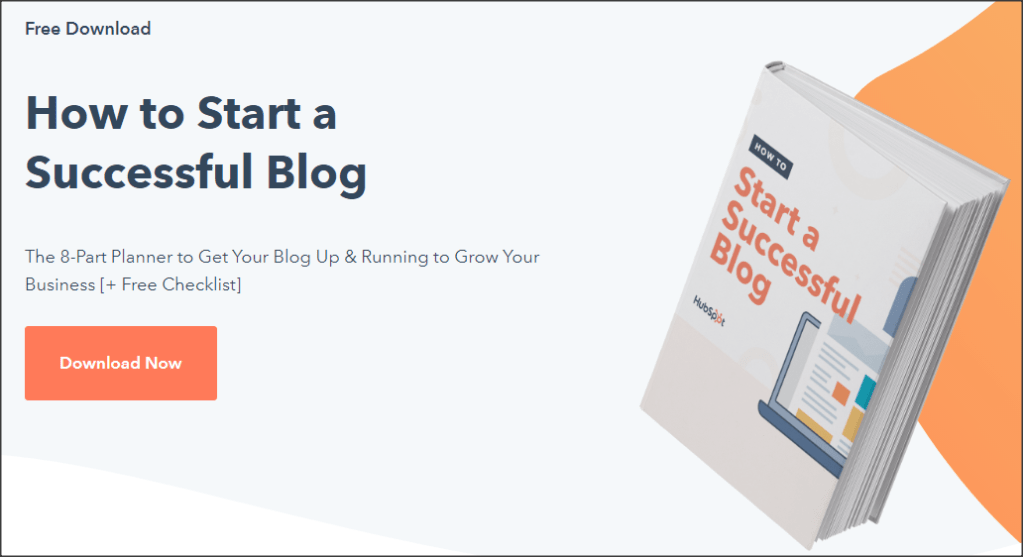
The article “How to Start a Successful Blog” addresses many of the topics that a newbie blogger would be curious to learn.

Pros

As I had mentioned earlier, HubSpot Academy training is widely recognized. You can take a course on business blogging and using WordPress. As part of your marketing education, you can take certificate courses on marketing.

The introductory article “How to Start a Successful Blog” includes a PDF download with many topics. A table of contents shows you at-a-glance what you will learn, including determining your blog’s purpose and goals, setting up your first post, deciding on content, and monetizing your blog. It covers all the basic topics that a beginner will want to know.

The PDF is free and you can refer to it even when you are offline. It is visually appealing, with graphics, well organized text, and links to other sources. When you are finished the PDF, you’ll find other articles on the website to build on your skills, such as “How to Write a Blog Post: A Step-by-Step Guide [+ Free Blog Post Templates].”

Cons

To obtain the PDF, you’ll need to provide some basic information about yourself, which could put you on their email list. The PDF is free, but those who are wary of downloading files may wish to look for other resources on how to blog.

Verdict

HubSpot offers a visually appealing resource from a company that’s recognized for its marketing training. It covers basic topics on learning how to blog and offers additional resources on blogging and marketing.

2 Neil Patel

Neil Patel’s site has a comprehensive library of resources on digital marketing. Blogs and videos show his expertise on content marketing and SEO. He introduces blogging as something to appeal to a wide range of people, from the average person, to someone looking to make an income, to businesses. Of his many articles on blogging, the post that seemed most relevant to beginners is “How to Start a Blog That Generates $3817 a Month in 2020.

Pros

The article covers all the topics you need to know about learning how to blog. Like most other articles on this list, it covers webhosting and how to set up your blog. It focuses on the WordPress platform and how to work with the theme and dashboard and optimizing for SEO.

Deciding on topics for your blog can be a challenge, so you can brainstorm topics and ask yourself questions such as, “What do readers love or hate about your niche?” In addition to useful activities like these, the article covers how to set up an editorial calendar and how to monetize your site.

Once you’ve completed this article, you can follow up with other articles such as “Neil Patel’s Guide to Blogging Consistently” and “The Ultimate Guide to Writing Blog Posts That Rank in Google’s Top 10.” As a break from all the reading, check out his educational videos on content marketing and blogging.

Cons

The article is lengthy, with plenty of information about blogging, but it lacks an overview on what topics you will cover. To get the gist of what the article will cover, you would need to quickly scroll down the entire page.

Verdict

Those who have trusted Neil Patel as a source of information for SEO and digital marketing will find the resources on learning how to blog both informative and familiar. This article follows a similar format as Patel’s other informative articles. The steps for learning how to blog are easy to follow, and there are plenty of text and video resources on the website to expand on your knowledge of blogging.

3 ProBlogger 

Problogger is the first website I discovered when I wanted to learn about blogging years ago. The site has plenty of resources on blogging, including an article titled, “How to Start a Blog” for a basic introduction on the subject. It also has a free course called, “Ultimate Guide to Starting a Blog.”

Pros

As you read through the article, you work your way through a series of five steps to set up your first blog, beginning with choosing your hosting platform, and an explanation of the difference between WordPress.com and WordPress.org.

The article alternates between clear, easy-to-read font and videos on each of the five steps. The text includes links to explanations of common terms related to blogging. At the end of the article, you’ll find links to additional resources, such as blog posts and a book on your first week of blogging.

What makes this site different than the others, however, is the job board for those who are looking for blogging gigs. This resource is great for those who want to blog but not take on blogging on their own website.

Cons

The information offered in this article isn’t that much different from the other articles I’ve read about learning how to blog. If you’re a visual learner, you’ll find the article is text heavy, broken up with video and links with no graphics. However, the article is a solid introduction to blogging, without diving into too much detail for a beginner.

Verdict

The article is a useful introduction to blogging, and perfect for those who like to learn a new skill through a combination of text and video. To learn more about blogging, you have access to blog articles, a book and courses. If you’re looking for a gig or job to practice your newfound blogging skills, there is a job section to explore.

4 Quick Sprout

The next best site on this list for learning how to blog is from Quick Sprout, which teaches you the skill in 11 easy steps. What separates this article on blogging from the others on this list is the title. “How to Start a Blog That Makes Money (Lessons Learned)” takes the approach that this guide is here to protect you from making the same mistakes the author made. You can skip the brief intro and go straight to “How to Start a Blog in 11 Steps” if you’re not interested in the preamble about why blogging could be a profitable income choice for you.

Pros

The article begins with a table of contents that lists all the topics that will be covered. You can jump straight to the topic that interests you or go through each section in order. It assumes that you will be blogging on WordPress and teaches you about the technical aspects of choosing a domain and theme for this platform.

It also covers useful topics such as narrowing down your niche, building an email list and an audience, and several options for monetizing your blog. If you need some motivation to get you going on your projects, there are “action steps” at the end of each section that describe activities you can complete to master each topic in the eleven-step list.

Each section is clearly laid out with examples and recommendations from the author. The section on analytics is well explained.

Cons

This article, although very educational, is text heavy, with a few screenshot-type images. These images explain points from the text and simplify learning to blog in clear steps. When you are finished this article, there are many others you can read to learn more about blogging.  

Verdict

This site is a solid source of information about blogging. It’s perfect for those who like to read and follow directions step-by-step using text and images. As you increase your expertise, you’ll find plenty of blog posts to educate you on your blogging skills, how to monetize blogging, and examples of successful blogging sites you can learn from.

5 Blogging Guide

This website ranks fifth in this list because your opinion on this site will depend on whether you like general or detailed overviews to topics. If you like detailed information when you’re just beginning your learning journey, you will rank this site high.

The site is a series of guides that teach you various blogging related skills, starting with “Blogging for Beginners.” The resource is quite technical and addresses blogging for other platforms in addition to WordPress.

Pros

The guide is quite extensive in its coverage of topics. After you choose your platform, you find an outline of steps for creating a blog on the platform of your choice. The first is steps for WordPress followed by the same steps with Medium. The outline is a great overview of what you’ll learn. The estimated time for completing each section is also shown. To expand on each subtopic, you click on the +.

Each section provides clear, step-by-step direction on how to develop your blogging skills. Other topics covered in this introduction are newsletter writing, webhosting, and domain registration. When you are finished with the overview, you can explore the other guides on relevant topics like content marketing and blogging platforms.

Cons

If you like things to be straightforward and simple when you are first learning about a subject, you may find this resource overwhelming because you have many decisions to make. For example, the first step to blogging is choosing your platform. If you have a platform preference, you can read about that one first. Or, if you are undecided, you can read about all three types and the one you prefer.

Verdict

This website has many useful guides on blogging and content marketing. I liked how the information was organized, but I also know what I’m looking for. If you are a true beginner to blogging, then searching by topic (such as WordPress or Medium?) can be daunting and you can become overwhelmed by the choices.

Conclusion

Blogging continues to increase in popularity over time, for businesses and hobby bloggers alike. If you’re just getting started on learning how to blog, there is no shortage of websites and blogs to teach you about this topic. I have found five sites that provide clear guidance on how to start your own blog. Is there a website you would like to add to the list? Comment below!

5 Tips to Stand Out at a Job Interview

Whether you are up against one or several candidates for the same job, standing out from the competition will give you the critical advantage. Zoom has replaced in-person job interviews, eliminating some traditional interview challenges, and presenting new ones. Ambitious candidates should consider these 5 tips to stay ahead of these changes and ace that interview.

1. Be Well Prepared for Zoom

A job interview on Zoom requires a different kind of preparation than an in-person interview. First, have what you need within your reach so you don’t have to stand up in the middle of your interview. Items to place within reach include a cup of water (in case your voice gets hoarse), a notepad and pen to take notes, a copy of your resume, and anything else you think you may need.

Do a test of yourself in a Zoom meeting. If possible, get your own Zoom account so you can use that meeting room as needed. Check for potential technical issues.

How is the lighting? Do you need to move yourself closer to a window or turn on a lamp? If the interview is in the morning, I do the lighting test in the morning so I’ll have the same lighting conditions. I also check the weather forecast. If it’s likely to be cloudy on my interview day, then I try to do a test on a cloudy day.

Look at how you appear on camera. If the camera is too far from you, you will look small on screen. If you are looking down at the camera, the audience will have a less flattering view of your chin folding up. Remedy this issue by placing the laptop higher up on another surface.

If the laptop camera is tilted too far back, the screen will show the top of your head and the ceiling of your room. Readjust your camera as needed to give the interviewer the best view of you.

Here’s a bonus tip: on the day of your interview, remember to look at the camera when you speak. It’s tempting to look at the people on the screen, but you will appear as if you are looking down! Looking directly at the camera will give you direct eye contact with the interviewer.

Wear the clothes you will wear to your interview. Certain colors looks different on camera. Pink, for example, appears red. Floral patterns against a virtual background will make parts of you disappear like you’ve been cut apart with scissors. Solid colors seem to work best if you’re using a virtual background.

Lastly, check your sound. Is your microphone working? Should you wear headphones to block out background noise? Doing these technical checks before your interview will make you look more prepared and professional on your interview day.

2. Share Stories to Bring Your Resume to Life

The day of your interview, they may start with that ubiquitous question: “Tell me about yourself,” or “Tell us about your experience with….” The purpose is to give them an overview about you, warm you up for the interview, and summarize some points from your resume.

If you’re up against several candidates, talking about your experiences and skills won’t make you stand out. Your interviewer will be hearing other candidates talk about their skills and eventually all these skills descriptions will blur together. If you want to stand out, don’t just talk about your resume.

Share a story.

Research the company ahead of time and find out what its mission and vision is. Understand what is important to the company, and pick anecdotes from your professional life that fit the company culture to share during the interview.

If you want to show how innovative you are, for example, don’t just talk about your skill. Share a story that demonstrates your creativity. How did your innovation result in a better project for the client?

If your skill is proficiency with a computer program, tell a story about what you did with the program. People don’t remember facts such as a listing of your experiences. People remember stories. Stories stick.

Did an interesting or funny moment occur while you were implementing the computer program? Talk about the moment as if you’re sharing a moment with a friend.

You will sound impressive talking about your achievements but showing your personal side will make you stand out. You can share how you improved the efficiency of your company by 15% with the new system that you implemented. But talk about it like it’s a scene from a novel, not a dry news story.

It’s the stories that people remember. These personalized stories are also a way for the interviewer to get to know you better as a person. You want them to see you as more than a skilled employee who lives to work.

3. Create an Emotional Impression

People don’t necessarily remember the details of what you talked about, but they will remember how you made them feel.

Ideally, you want them to associate you with happiness. I like to tell stories or jokes about my work experiences. They aren’t the type of joke with a punch line. They are more like jokes about awkward experiences that people can relate to, such as the challenges of navigating your way around a foreign city.

I treat certain moments of my interview like having coffee with friends or associates. When you use humor, people will remember how they felt. They will remember laughing and feeling at ease with you.

Tell a joke only if it fits the situation, and only if it sounds natural to you. If your jokes tend to be met with silence, jokes may not be the way to go. Also, tell jokes if you have a good feel of the situation.

Does the company culture seem to be casual and easygoing? Does the interviewer seem like someone who would appreciate your humour?

The joke should emerge naturally from the situation and not feel forced. I keep my humor professional yet casual, and if I have a hard time reading the other person, I tend to err on the side of caution and not share as much humour.

Creating an emotional impression is your goal.

At the end of one interview, the interviewer commented, “We had a lot of laughs.” She was in a good mood and my words had given her a sense of my personality. How you make someone feel is as important, if not more important, than your skillset and work experiences.

4. Ask Challenging Questions

Near the end of the interview, they may ask you if you have any questions. I usually have about five questions prepared, in case one of them gets answered during the interview.

I like to ask questions that are memorable. Choose questions that require a bit of thinking and aren’t asked often. As part of my preparation, I search for lists of commonly asked questions for interviewers and choose ones that would be interesting to share.

For instance, I’ve asked the interviewer what they like about their role at the company. It’s personal, gets them thinking, and gives you some insight about their company culture. Also, this question isn’t likely to be answered during an interview.

If your interview is conducted by a panel, you can also apply this same question to each person.

You can also ask about your prospective job. For example, inquire about what they consider to be a mark of success for the position that you are applying for. This question also gives you some insight into company culture as well as their expectations of what you will be doing.

Avoid asking questions that show you didn’t do your research about the company. For example, asking them who their typical customers are when the answer is provided on one of their webpages.

Don’t forget to ask them about next steps. I find that well-organized companies are clear about next steps and may even outline this for you before the interview. If you know the timeline or how you will be notified, you reduce your stress.

5. Take Mental Notes

Take notes during the call, either physically with your pencil and paper, or mentally. Could you have improved on your answers during the interview? Is there something you could have shared about your work experience that you didn’t?

I’ve frozen or drawn a blank when asked a question during an interview. I’ve been asked a “Tell me about a time when” question and it wasn’t until the interview was over that I remembered a great answer. You’ll have a chance to address these loose ends after the interview.

I write a thank you letter to each interviewer after the call. To do this, I refer to the notes I took during the call.

If possible, acknowledge something that each interviewer said in your email. Expand on a point that you spoke about to give more information if you feel it strengthens your candidacy. Reflecting on your answers by expanding on them in an email shows you take initiative for self improvement.

Conclusion

How do you stand out in an interview when there are multiple candidates who are just as qualified as you are? The key is to share stories because people remember stories better than facts. You also want them to feel good about speaking with you. When the interview ends, it’s your unique stories and questions that will linger in their minds.

Photo credit: Andrea Piacquadio (feature image), Anna Shvets (second image), Mohammad Danish (thrid image)

If you like this post, subscribe to make sure you don’t miss the next one!

Should Your Mentor Be Older Or Younger?

So you’re looking for a mentor but you still have questions about the mentor you need: Does your mentor need to be twice or three times more successful than you? Or could your mentor be just successful enough to show you the ropes, yet new enough to remember the hardships and the bumpy experiences?

And while you’re thinking about these questions, here’s another thought: should that successful mentor be older than you, or could that mentor be younger?

It might make more sense to have a highly successful mentor who is many years your senior. They will have many stories to teach you about how to be successful in life or business. But what if you could have a mentor who is very successful but much younger than you?

Would the “reverse” age difference be intimidating? It could bring back bad memories of what it was like to be upstaged by a younger sibling! To avoid that, having an older mentor could be the better choice.

Older entrepreneurs have the advantage for business success. They have deeper pockets to get themselves through financial hard times (and unwise business decisions) and they may have the business or industry-specific expertise to get them to success from former careers.

So, if you were to strike out on your own as an entrepreneur, it seems best to have a mentor who is older than you. This mentor will have more experience and will be able to guide you through the hard times and be more understanding of what you will be going through.

Interestingly, in my own experience, my early business mentors were younger than me. (Not that I’m old — they happened to be young.) And from where I was standing at the time, they were more successful. Let me explain.

To me, it’s not age that matters, but experience. Obviously, I want a mentor who has demonstrated success so that I can follow in his or her footsteps.

I want to learn what he found useful, or what she found difficult so I’ll know how to handle the situation when I get there. I want to learn about his failures or moments that she wishes she could do over again and how, so that I won’t make the same mistakes.

And gradually over time, I also learned that having a mentor who has similar life experiences is equally as important as a mentor with success in business.  Here I can’t wait to share three reasons why having a mentor with similar life experiences is more important than your mentor’s age.

1. Your Mentor Will Understand Your Goals and Relate to You More

One of my younger mentors, who I will call Jim, was always optimistic. When I failed to meet one of my goals for the year, he would say, “It takes time.” Those words were devastating to my ears.

He was trying to encourage me, and teach me that patience would get me where I wanted. I had been drawn to him because of his professional success at a young age in the same type of business as me. He also had experience as a business mentor, and took me under his wing. However, he didn’t understand my frustrations.

He wasn’t caving under the pressure of paying mortgage bills or becoming financially stable enough to have kids. Instead, he was in absolutely no hurry to move out from home, get married, or have kids. So his perception of time was different than mine. He saw me as impatient for success and always rushing at my goals.

In contrast, another of my mentors, who I will call Fred, was only a few years older than Jim, but he was married with kids. When he shared his story of his road to success, I felt he understood me a lot better.

If he failed in business, he had to worry about debts the same way I did because he also didn’t live at home. He didn’t have parents to support him. He also felt the pressure of other people depending on him.

For these reasons, I could relate to Fred better because if he could succeed while shouldering those responsibilities, then I could too.

2. Your Will See Your Mentor as Your Equal

These days, social media influences our perceptions. I’ve had younger mentors, some married, some single. One was incredibly younger than me. I’ve also had older mentors, most of them married. All of them projected a professional image on social media at all times. (Yes, I followed them.)

Read more: Why Your Brand and Image Matters

One of my business mentors is quite significantly younger than me, but he had more business savvy so he was teaching me the ropes. When we first met, he was dressed in business casual, and the second time he was wearing a suit. His demeanor was so professional that I liked him as a mentor immediately. (First impressions count.)

Over time however, I saw his posts on social media and discovered he was someone who acted younger than his age. He dressed younger and enjoyed activities that younger people liked. Although he was mature and ambitious, I started to see him as a younger brother.

It destroyed some of my respect for him as my mentor as well because it seemed we were not on the same wavelength in our life experiences.

Social media doesn’t always portray a person’s life realistically, but it sure can shape how you perceive someone. Another of my mentors is about my age. She doesn’t post often on social media, but when she does, it’s professional.

She posts about events she is hosting, advice for helping people, and words to bring positive vibes to your day. She has also posted photos of her trips, but those photos are well chosen.

They show off her casual, relaxed side. They also don’t shatter my image of her as a woman who I can rely on as a mentor and a friend. The places she visited were places I could go to. The activities she portrayed herself doing were activities I myself could participate in.

3. You and Your Mentor Can Switch Roles

I have read that younger people mentoring older people can be a good match at the workplace. Younger people can teach older workers about new methods of doing things as well as new technology. But I still believe that shared life experiences and relatability is important between mentor and mentee.

One of my mentors truly inspired me with his lifestory. He had to overcome many obstacles to become successful in business. I admired his courage and believed that if I persevered like he had, I could reach my business goals as well. 

Some time after he became my mentor, I had the chance to help him with some writing projects. He had never completed projects like these before, so it was a rare chance to switch roles as I become the expert.

A mentor and mentee relationship isn’t set in stone. Whether you are younger or older, you have a talent, skill, or experience that you can share with your mentor or mentee. The relationship isn’t always one directional.

Summary

Should you choose a mentor who is older or younger than you? I think most people would say, choose someone who is older. They have more experience, and when it comes to business, they can ride out financial waves better over time.

My own experience is that older mentors can be more relatable because of their life experiences. You may have more in common with them.

I’ve also had mentors who are younger. They have professional knowledge that I crave to learn, but the difference in life experience can mean it’s harder to relate to them. 

Only you can decide if an older or younger mentor is the best fit for you. 

photo credit: Andrea Piacquadio

If you like this post, subscribe to make sure you don’t miss the next one!

How To Date During COVID-19

by Victoria

Why talk about dating on a blog about entrepreneurship? Surprisingly, I’ve noticed some parallels between business and dating that has to be shared. Just like how business owners have had to pivot how they do business during COVID-19, singles have also had to change how they date during the pandemic. Creativity has been key to finding new ways to date. Here are three ways that dating has changed since COVID-19.

Getting to Know Your Date

COVID-19 abruptly ended in-person group meetings as a primary way to meet new people outside your usual social and professional circles. Gone are speed dating events and the cliché meeting with strangers at a crowded bar.

Gone are activities such as events arranged on Meetup.com where you can mix meeting new faces with an activity you enjoy, such as going on an arranged hike, trying out a new restaurant, or watching a movie in a theatre as a group.

Like the person still standing when the music stops during a game of Musical Chairs, it must be unfortunate to be single at a time like this. Or are there alternatives?

If we can become friends on Facebook with people from other countries, then there must still be ways to meet people using all that technology at our disposal. If business meetings can move online, dating can as well.

Virtual Dating

Just like businesses had Zoom meetings, singles started to meet through virtual dates and virtual chats. They could watch a movie at the same time but at separate locations and chat about it online.

Video chats can be a bit unnerving for some, because you could be face to face with a stranger and conversation is your main activity. Or only activity, which can be terribly unnerving if you’re not cut out for making conversation with a complete (or almost complete) stranger.

In a sense, virtual dating has similarities to online business meetings. Your conversation is the main focus and you’re getting to know each other a lot faster than if you’re meeting in person. You can’t welcome distractions, such as looking at the other people in a restaurant. Or returning to watching the game while you think of your next comment.

If you want to move to the next step – meeting up in person – the conversation can take a turn to some serious questions pretty quick. Early on in the relationship, you may ask about their opinions on health and safety around COVID. Do you meet indoors (riskier) or outdoors (less risky)?

If you’re going to meet in person for the first time, you are taking on an additional element of risk than you would be less than a year ago.

In-Person Dating

I’ve been to some interesting in-person dating experiences before, like the time my friend invited a couple of us to a crowded mixer full of people and loud music. I couldn’t hear what anyone was saying, and like any jam-packed singles event, not everyone at the event was single. Some were wing men or wing women.

Those experiences have been replaced with physical distancing at businesses. Safe dates now are visits to parks and going on hikes. Bringing a mask and hand sanitizer are commonplace. But just like with online dating, you get to know your date faster when you go for a walk together. You don’t have other activities to focus on, such as going to an escape room or watching a movie, and then talking about it afterwards.

The art of conversation becomes even more important, but you also move the relationship along much faster when you are having deeper conversations. Friendship and relationship building could occur more quickly, instead of one-night stands or ending the first date with a kiss.

Physical distancing has also made it more difficult to meet someone casually in person. Dating sites pre-pandemic suggest casually meeting singles while grocery shopping or going to the art gallery or other public places. Well, with COVID-19, some of those places remain closed, or physical distancing measures are in place. It’s not easy to talk to someone unless you have less than 2 metres between you. It’s also hard to smile to them through your mask if you’re wearing one.

Change In Speed

Relationships are moving at a different speed during COVID-19. Before the first in-person date, you may be asking about the other person’s views on health. Do they believe in wearing masks or physical distancing? How do they feel about getting close when meeting in person for the first time? What about when they think a first kiss is appropriate?

If you include your new date in your life, then how does that impact your social bubble? Do your friends and family have relaxed or strict rules about who to include in your in-person social gatherings? During the pandemic, if you kiss your new love or become physically close or intimate, you risk infecting your family if the one you are dating is asymptomatic. How does your family feel about the risk you are taking on?

You’re dealing with several heavy, serious questions early on in the dating relationship. Like a tangled network, the choices you make with your date affect friends and family in a way they never did before.

Summary

Our need to socialize and be with other humans can’t be ignored. When the pandemic first arrived, people were patient as companies moved meetings and some services online. Singles stayed home and kept in touch with friends virtually.

If you’re a single introvert who is happy with little to no social interaction, the pandemic won’t have much impact on your social life.

But if you’re single and hoping for that special someone, pandemic be damned, dating is making a pivot. Technology is changing how we reach out to meet people. How we communicate and what we communicate is changing how we form relationships. It will be interesting to hear “How We Met During the Pandemic” stories at future weddings as COVID-19 continues to reshape how we date.

Interested in getting notified about our next post? Subscribe here.