What Things Can’t You Live Without?

What can’t you live without? More specifically, what personal belongings can’t you live without? This question put me in that hypothetical situation where you have ten minutes to grab whatever personal items I value most. Of course, I can’t carry every personal belonging I have, but I did narrow down the list to just a few things that I own that mean the world to me.

First, my phone. It’s not just my communication tool—it’s where I store memories, photos, messages, and reminders. Why my phone is my most important possession becomes clear every time I reach for it. Constantly. I feel cut off from the world without it. It’s the device I use to stay connected, organize my daily life, and capture important moments.

Next, there are my keys. They really do open doors to the most important places. I once misplaced my house keys and thought I’d be spending the night outside—homeless. That moment gave me flashbacks about what I liked most about my home and had me promising to never misplace my keys again.

Another item I hold dear is my small collection of personal memorabilia: pebbles, shells, and fallen acorns gathered from various walks in nature. These meaningful keepsakes aren’t valuable to anyone else, but they remind me where I’ve been, and they’re as precious as photographs.

Finally, my computer. As a modern writer, I rarely touch paper. My laptop holds every draft, idea, and story I’ve ever written. It’s not just a machine — it’s a storage place for my creativity. Without it, I’d lose precious copies of my work.

So, what personal items do people value most? For me, it’s these: a phone, keys, sentimental souvenirs, and my computer. They may seem ordinary, but each one plays a vital role in my daily life.  

How to Find Work-Life Balance in a Fast-Paced World

In a world that moves at the speed of instant messaging and 24-hour services, burnout is almost inevitable. Especially with remote work people like me, the line between home and office often blurs when you’re answering a work email before bed. Striking the right balance isn’t about clocking out at 5 p.m. sharp every day—it’s about creating a schedule that supports both your professional goals and your personal well-being.

Why It Matters

When I first started working from home, I thought skipping my commute would free up more time for myself. It did, but I found myself answering late-night emails and checking Slack before breakfast. The lines between work and home life became blurred. Eventually, I realized that being always available didn’t make me more productive—it made me live in my office.

Strategies for Better Balance

1 Set Clear Boundaries
It’s hard to set a clear work schedule (some people do) when you’re working with people in more than one time zone. I find it easier to work in time blocks. This way, I can still check my email at night after hours, but I’m not constantly responding to messages throughout the day, whenever they happen to land on my desk.

2 Prioritize Tasks
I like to start the day off with an easy task so I immediately feel like I’ve accomplished something. Then I tackle the tasks that must be done that day, and work on the tasks that don’t have deadlines last. If the time-sensitive task is something I loathe doing, I reward myself with a snack when I’m done.

3 Take Breaks
Working from home gives you easy access to YouTube and streaming TV. I use break times to watch a few videos, take a walk, or have a snack. (If the work that day is stressful, I take more breaks.)

4 Make Time for What Matters
Whether it’s reading a book before bed or having dinner with family, these moments are important. I block off a few hours a day for “me time,” social time, and study time. 

5 Communicate Openly
When you work remotely, the office isn’t as aware if you’re struggling with work issues. I need to take the responsibility of telling my manager when I’m stretched thin, and need deadlines adjusted and tasks reallocated. This is the best way to establish some boundaries and protect your mental health.

The Takeaway

Work-life balance isn’t always easy to achieve. Some weeks will be harder than others, but regularly checking in with yourself makes all the difference. By protecting your personal time, you protect your energy, creativity, and motivation.  

Why I Started Learning New Languages as an Adult

Learning a new language as an adult might seem overwhelming, but I find it’s been a great pastime. I’ve been working with remote companies that hire people from many backgrounds. Many people speak more than one language. So speaking more than one language becomes a way to connect with people (hey, I speak that language too!), and learn about other cultures.

I first started picking up more languages because there are so many free language lessons on YouTube. Unlike when you’re taking a class, you can learn at your own pace and learn whichever topic you’re interested in that day. So if I’m tired that day, I just watch a beginner-level video with some basic phrases and vocabulary. It’s the lazy way to feel smarter! And when I’m in the mood to challenge myself, I watch a news broadcast to see if I can pick up the main ideas. And if I’m in the mood for some fun, I watch a movie and try to pick up some slang and idioms.

That cultural insight is one of my reasons for learning a language. You’re not just memorizing vocabulary—you’re discovering how people think, what they value, and how they see the world. Languages like French classify words as masculine and feminine. Languages like Japanese have different ways of counting things that are flat vs round vs people. Languages like Chinese create compound words, such as electric+brain = computer.

From a practical point of view, I’ve also noticed jobs that list a second language as either a requirement or a strong asset. I wish I had spent more time learning languages when I was still in school so I could have more job options today! 

There’s also a brainy side benefit: learning languages is great for memory. Picking up new vocabulary is like a memory exercise, especially when it comes to Asian languages that don’t use alphabets. It’s also fun to watch a movie and see how much of it you can piece together from the actions and the words that you do understand.

Starting as an adult might mean learning at a slower pace, but I appreciate what I’m learning more. I get to practice what I’m learning by watching movies, talking with people who speak the language, and relating to people that I meet (I’m learning that language too!). Also, there isn’t the pressure of getting letter grades like you do when you’re learning a language at school!

Celebrating Mother’s Day: Honoring Women Who Shaped History

Mother’s Day is more than a day of flowers and brunch—it celebrates what mothers do for us. Observed in many countries around the world, Mother’s Day has a rich history that I’d like to share in honor of the amazing moms around the world.

The modern American version of Mother’s Day began in the early 20th century because of Anna Jarvis. Jarvis wanted a national holiday to honor mothers’ sacrifices. In 1914, President Woodrow Wilson officially proclaimed the second Sunday in May as Mother’s Day.

While we often celebrate our own mothers, I’d also like to recognize mothers who made history while raising children. Three examples stand out:

Coretta Scott King, wife of Dr. Martin Luther King Jr., and civil rights leader and mother of four. She founded the King Center and played a vital role in making her husband’s birthday a national holiday.

Marie Curie, the first woman to win a Nobel Prize, was also a devoted mother. Despite facing societal barriers, she raised two daughters while conducting groundbreaking research in physics and chemistry.

Maya Angelou, legendary poet, author, and civil rights activist, was a single mother who raised her son while accomplishing literary works. She inspired generations.

On Mother’s Day, we honor not just the daily care mothers provide, but also their strength, resilience, and contributions to society. Whether through quiet sacrifices or bold public actions, mothers shape families—and the world.

5 Favorite Fruits: From Tech Logos to Love Symbols

Daily writing prompt
List your top 5 favorite fruits.

We eat them, decorate with them, and even build billion-dollar brands around them. Fruits aren’t just food—they’re cultural symbols woven into marketing, tech, holidays, and everyday life. Here are my top five favorite fruits, not just because they’re delicious, but because each has a story far beyond the produce aisle. Enjoy!

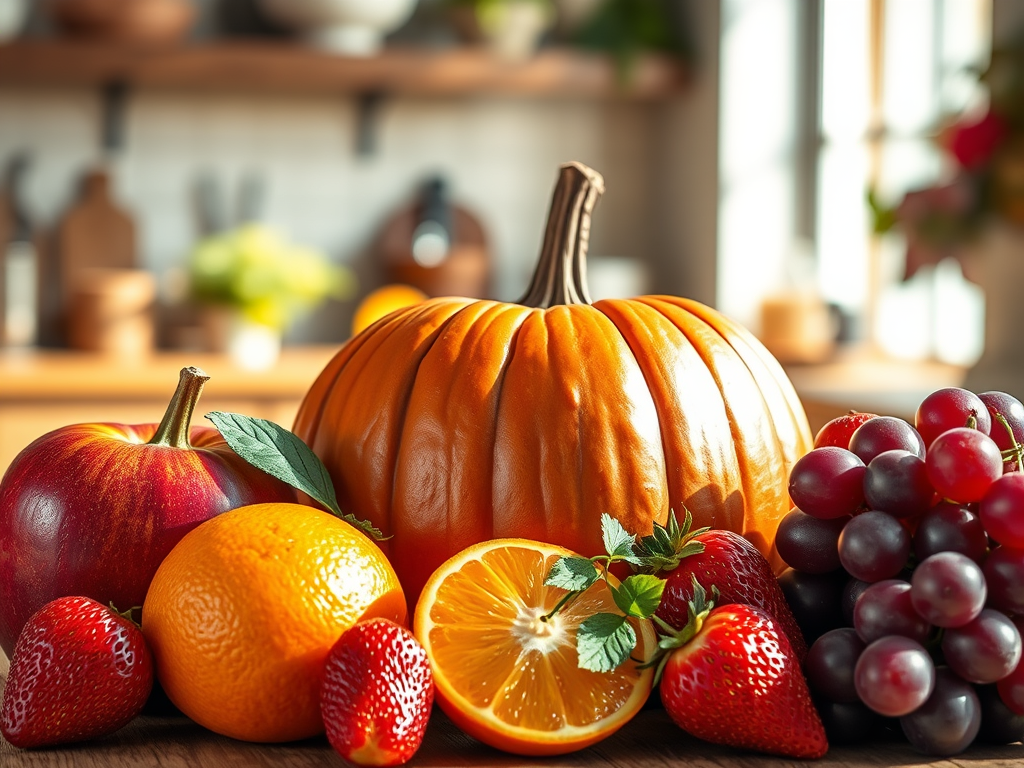
🍎 1. Apple – The Icon of Knowledge and Innovation

When I think of the meaning of apples, I picture the iconic red apple on the teacher’s desk; the apple has long been a symbol of knowledge. In modern life, we instantly think of Apple Inc., the tech giant whose iconic Apple logo represents creativity, simplicity, and innovation. Many of my friends have iPhones and Apple computers! It’s amazing how this one fruit stands at the intersection of technology and symbolism, all while being crispy, sweet, and perfect for a midday snack. (And I’m having one now! Am I smarter? I’ll let you know in a bit.)

🎃 2. Pumpkin – The Ultimate Seasonal Brand

Pumpkins and Halloween are basically inseparable. A jack-o’-lantern instantly signals that October is here, and the popularity of the pumpkin spice latte is vital for seasonal marketing. (Imagine the fall season without seeing ads for pumpkin spice lattes or pies!) Whether in pies, porch decor, or spooky events, pumpkins are synonymous with autumn culture. We can’t consider holiday branding without it.

🍊 3. Orange – A Global Symbol of Fortune and Warmth

Nothing brightens a cold winter day like a juicy orange. In Chinese and Japanese cultures, oranges are considered lucky, often gifted to bring good fortune and prosperity at the New Year. In North America, oranges are abundant around Christmas, bringing a dose of sunshine when we need it most. And most importantly, when I think of juice, orange juice is the first thing that comes to mind. It’s a fruit that’s as symbolic as it is refreshing.

🍓 4. Strawberry – The Sweetheart of Summer

Strawberries symbolize love in so many ways. Their heart-like shape and bold red color make them a favorite in Valentine’s Day logos and desserts. They’re also tied to summer memories—picnics, ice cream, and homemade jam. Strawberries are healthy and not, showing up in fruit salads, strawberry milkshakes, and ice cream. (And strawberry is a flavor you can find for any milkshake or ice cream! How comforting!)

🍇 5. Grape – The Fruit of Celebration

Grapes are one of the most interesting fruits on this list! They’re just as tasty as the rest. And they are a great addition to cheese platters and fruit platters! (Like nature decided to make them the food that’s also a decoration.) Grapes are also suitable for casual and highly formal events, from family picnics and barbecues to fine dining and celebrations. Grapes transform into wine for weddings, holidays, anniversaries, and classy events. Case in point: a bottle of Domaine de la Romanée-Conti 1945 once sold for $558,000!

Key Takeaways

Fruits aren’t just tasty—they have a lot of deeper meaning. Whether it’s grapes and wine culture, the apple tech symbol, or the pumpkin’s Halloween branding power, these everyday foods tell stories, stir emotions, and even shape our habits. Which fruit do you see differently now?